
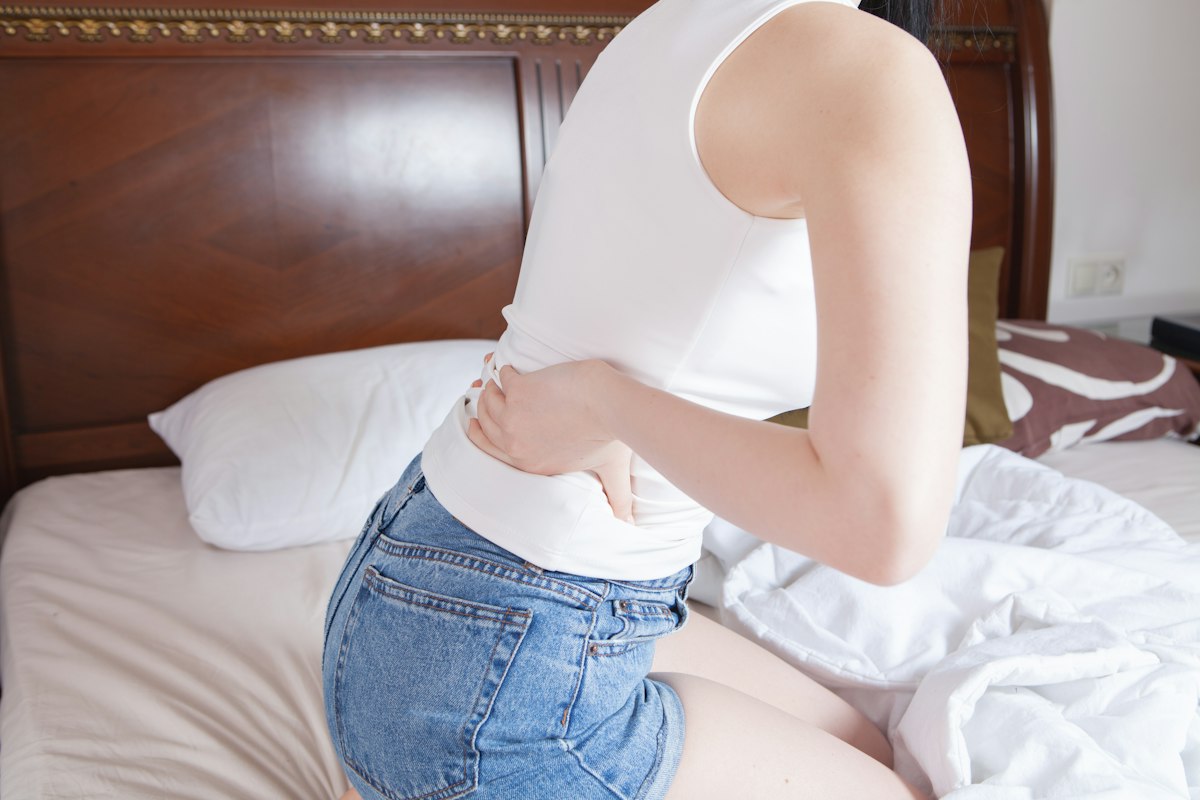

Premenstrual syndrome (PMS) can include physical or emotional symptoms in the days before a period. Experiences differ from person to person, and symptoms can change over time. Tracking when symptoms appear and how much they affect everyday life can help you describe the pattern clearly.
Make a simple symptom record
For a few cycles, note the dates, symptoms, intensity, sleep, and whether school, work, relationships, or usual activities were affected. You do not need special equipment or perfect records. If symptoms are severe or repeatedly disrupt your life, bring the notes to a healthcare professional and ask what support is available.
The Office on Women’s Health PMS guide explains common symptoms and when to seek care. Severe mood symptoms also deserve attention; you do not have to wait until they become unbearable.
EVE’s reminder: period-related symptoms are real, and talking about them should not be embarrassing. This article is educational, not a diagnosis or treatment plan.
Explore EVE LLC
Visit EVE LLC for women’s health resources, products, and services, or get the EVE LLC app for iPhone.
Photo by Joonas Sild on Unsplash





