
Last Updated: November 1, 2026
Quick Summary
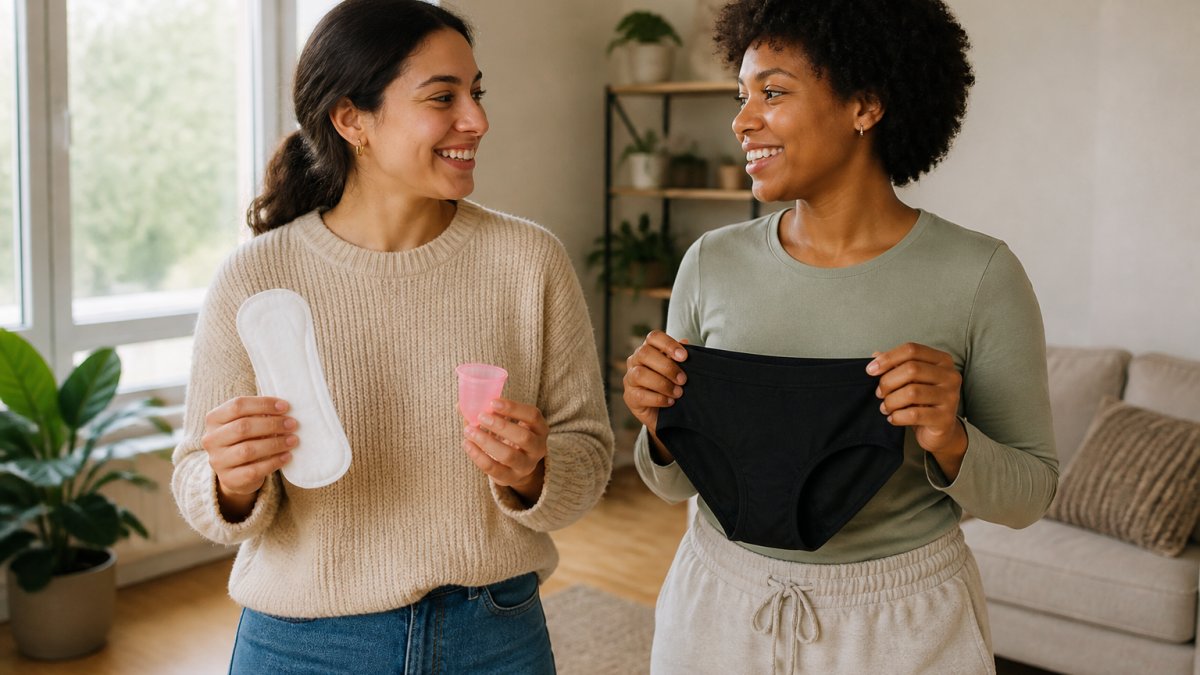
The best period product depends on your flow, lifestyle, and skin sensitivity, and most people do better with a mix than a single product. Pads suit heavy flow and overnight use, cups offer 8 to 10 hours of wear, and period underwear works well for sleep and light days.
- Cups hold the longest of the three, while pads and period underwear need more frequent changes.
- A three-part kit of light-day, heavy-day, and overnight options covers nearly every scenario.
- Cups suit swimmers and runners because they sit inside and hold position during movement.
- Pads with wings and pull-on period underwear need no internal insertion for limited hand strength.
- High-waist period underwear adds coverage across the lower abdomen during postpartum recovery.
Table of Contents
- Quick Comparison: Pads vs Cups vs Period Underwear
- How to Choose the Best Period Product for Your Flow
- What Are Sanitary Pads Made Of?
- Reusable Menstrual Cups: Capacity, Fit, and Who They Suit
- The Benefits of Period Underwear for Day and Night
- Hypoallergenic Period Products for Sensitive Skin
- Matching Your Product to Sports, Accessibility, and Life Stages
- Build Your EVE Period Care Kit
- Frequently Asked Questions
Quick Comparison: Pads vs Cups vs Period Underwear
The best period product depends on flow, lifestyle, and skin sensitivity, and most people end up with a mix rather than a single answer. Pads, cups, and period underwear each solve a different problem, and the strongest routine usually combines two of them.
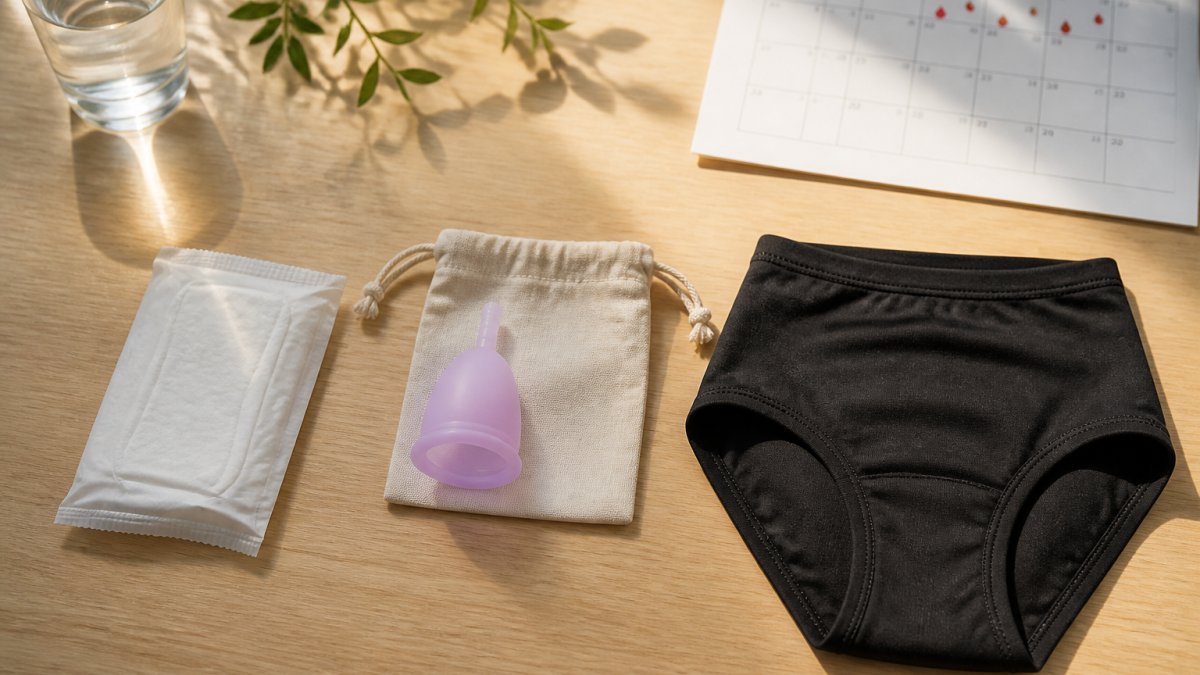
Here is the short version before we go deeper.
| Product | Best For | Reusable? | Typical Use |
|---|---|---|---|
| Sanitary pads | Heavy flow, overnight, postpartum | No | Day and night backup |
| Menstrual cup | Long wear, sports, travel | Yes | 8-10 hour wear |
| Period underwear | Overnight, light days, incontinence | Yes | Backup or solo wear |
| Panty liners | Spotting, discharge, non-period days | No | Daily freshness |
Pads are widely accessible and easy to buy. Cups offer capacity and reduce disposable waste. Period underwear offers overnight coverage and comfort during postpartum recovery. None is universally best.
How to Choose the Best Period Product for Your Flow
Choosing the best period product starts with two questions: how heavy is your flow, and where will you be wearing it?
Flow is the first filter. Light flow suits panty liners and period underwear. Moderate flow works with regular pads, tampons, or a small cup.
The second filter is your day. Consider:
- Wear time: Cups hold the longest; pads and underwear need more frequent changes.
- Restroom access: Cup users need a private sink for rinsing; pad users need only a stall.
- Activity level: Sports and swimming favor cups or period underwear.
A common mistake is buying one product type for the whole cycle. Most people do better with a light-day option, a heavy-day option, and an overnight option, a three-part kit that covers nearly every scenario.
What Are Sanitary Pads Made Of?
Sanitary pads are made of layered materials: a soft top sheet against the skin, an absorbent core, a leak-proof back layer, and adhesive wings or strips. Each layer does a different job, and the top sheet matters most for comfort and skin health.
The layers, explained
- Top sheet. Usually a nonwoven fabric, sometimes cotton-blended, designed to wick moisture away from skin. It sits in direct contact with your body, so it drives most irritation complaints.
- Absorbent core. Holds fluid, typically wood pulp, superabsorbent polymer, or a blend. Superabsorbent polymer gels liquid quickly, which is why thin pads can hold more than they look like they should.
- Back layer. A thin plastic film that stops leaks from reaching underwear.
What to check on the label
Ingredient transparency matters for sensitive-skin readers. A few things worth checking:
- Fragrance. Added fragrance and deodorizing layers are common irritation triggers. Unscented is not the same as unfragranced on every label, so read the ingredient list rather than the front of the pack.
- Dyes and finishes. Colored top sheets or finishes can bother reactive skin; plain, undyed options reduce the variables.
- Cotton content. Cotton-topped or cotton-blended top sheets are often gentler for people who react to synthetic nonwovens.
For sensitive skin, the top sheet and any added fragrance are the usual culprits behind irritation, and unscented, cottony-soft pads reduce that risk. Our Pee Safe Comfort Ultra Thin Sanitary Pads are toxin-free, unscented, and extra long with dual wings, and are listed for overnight use. For a wider look, our guide to hypoallergenic feminine care products covers the full category.
A note on chemical safety claims
You may see pads marketed as “chemical-free” or “toxin-free.” These are marketing terms, not regulated definitions, so treat them as a starting point for reading the ingredient list rather than a guarantee. If you have a known sensitivity or a condition like vulvodynia, patch-test a new product on a light day and talk with your clinician about what to avoid. For general guidance on menstrual product safety, the FDA’s guidance on menstrual products is a reliable reference.
If a pad irritates your skin, change the top sheet before you change your whole routine: switch to unscented, cotton-topped, and a lower absorbency for lighter days, then reassess after a cycle.
Reusable Menstrual Cups: Capacity, Fit, and Who They Suit
Capacity is the headline benefit. For those who need more capacity, you can view a large-size reusable menstrual cup option.
Fit is where new users struggle. The most common mistake is choosing a size by guesswork instead of by flow and comfort.
Our Sirona small reusable menstrual cup is made of ultra-soft 100% medical-grade silicone and offers leak-proof protection for 8 to 10 hours.
Watch out: cups require careful insertion and a clean rinsing routine, and anyone with certain pelvic floor conditions should check with a clinician before using one. Toxic shock syndrome is rare with cups but remains a reason to follow cleaning and wear-time guidance from the FDA’s guidance on menstrual products.
The Benefits of Period Underwear for Day and Night
Period underwear is absorbent underwear with built-in layers that hold menstrual flow, and its biggest advantage is that it works while you sleep, no insertion step, no string, and no pad to shift out of place overnight. While the comfort of these garments provides a reliable foundation for rest, finding the right approach to managing period cramps remains an essential part of maintaining overall well-being throughout your cycle.
The benefits stack up quickly:
- Overnight protection without the bulk of a maxi pad
- Backup coverage alongside a cup or tampon on heavy days
- Postpartum and incontinence use, where leakage is unpredictable
High-waist styles add coverage across the lower abdomen, which many people prefer after childbirth or during surgical recovery. For an organic cotton option, you can purchase an organic cotton period panty.
For daytime freshness on non-period days, Evereve pure cotton panty liners are breathable, ultra-soft, and designed for discharge, spotting, and everyday comfort.
Planned Parenthood’s overview of menstrual products is a useful plain-language reference if you want a second opinion on how each product type works.
Hypoallergenic Period Products for Sensitive Skin
Hypoallergenic period products reduce irritation risk by limiting common triggers like fragrance, dyes, and harsh finishes.
If your skin reacts easily, start with these rules:
- Choose unscented pads and liners every time.
- Prefer cotton-topped or cotton-blended top sheets.
- Avoid products with added deodorizing layers.
Some people with sensitive skin consider reusable options, since silicone cups and cotton-based underwear avoid some disposable materials.
A common mistake is assuming “sensitive skin” on a label means fragrance-free. Our deeper guide to safe feminine care for sensitive skin walks through product selection step by step.
Matching Your Product to Sports, Accessibility, and Life Stages
The best period product for an athlete is rarely the best one for someone managing limited hand mobility, and both deserve a real answer.
Sports and physical activity
Movement changes which products work. The core issue is position and seal: a product that stays put during a 10-mile run or a vinyasa class is doing something a pad usually cannot.
- Swimming. Pads and period underwear are not designed for submersion; they absorb water and lose their protective function. A menstrual cup sits inside the vaginal canal and collects flow, so it is the option most swimmers reach for. Tampons also work but must be changed on a schedule.
- Running and high-impact cardio. Cups and period underwear hold position better than pads, which can shift or chafe with repeated friction. A common pattern among runners is a cup plus period underwear as backup on heavy days.
- Yoga and cycling. Cups suit both because there is no external bulk. Cyclists often prefer a cup for long rides where restroom access is unpredictable.
A practical note: if you are new to cups, do not debut one on race day. Give yourself a full cycle of practice at home first, because fit and insertion technique take a few tries to dial in.
Accessibility and mobility
This is the gap most guides ignore entirely. Product choice is not only about flow; it is about what your hands, your energy, and your bathroom can support.
- Limited hand strength or dexterity. Cups require pinching, folding, and reaching, which is not workable for everyone. Pads with wings and pull-on period underwear need no internal insertion and can be changed with minimal grip strength.
- Chronic pain and fatigue. A product that requires a sink, a rinse, and a squat is a different ask on a high-pain day than on a good one. Many people keep both a cup and pads on hand and choose by the day.
- Limited bathroom access. Cup users need a private space to rinse or wipe; pad and underwear users need only a stall.
If mobility is part of your picture, it is worth talking with an occupational therapist or your clinician about setups that fit your actual routine rather than forcing a product that fights it.
Postpartum and post-surgical recovery
After childbirth or pelvic surgery, flow can be unpredictable and tissue can be sensitive. Internal products are usually avoided during early recovery on clinician advice, which makes external options the practical default.
- High-waist period underwear adds coverage across the lower abdomen and holds position without adhesive, which many people prefer during recovery.
- Extra-long, unscented pads handle heavier, unpredictable flow and are easy to change frequently.
- Avoiding internal insertion until a clinician clears it is the standard guidance; follow your care team’s timeline rather than a general rule.
Perimenopause and irregular cycles
When cycles become unpredictable, a single product type stops working. A mixed kit is the practical answer: liners for spotting, heavy pads for sudden days, and period underwear for overnight security. Tracking flow patterns over a few cycles makes it easier to predict which days need which product, and our menstrual and ovulation tracking app can help you log symptoms and spot those patterns over time.
The “best” product is the one that fits your body, your day, and your abilities. A mixed kit is not indecision; it is the most reliable strategy across sports, recovery, and changing cycles.
Build Your EVE Period Care Kit
A period care kit that covers your whole cycle beats any single “best” product. Here is a practical starting point we recommend:
- One pack of ultra-thin, extra-long pads for overnight and heavy days
- One pack of heavy-flow pads with wings for peak flow days
- One small or large reusable cup, sized to your flow
That kit handles light days, heavy days, overnight, sports, and postpartum recovery without a last-minute drugstore run.
Health content on this blog is general education, not diagnosis or treatment. If you have heavy bleeding, severe pain, or persistent irritation, talk with a qualified healthcare professional.
Frequently Asked Questions
What are the different types of period products available?
The main categories are disposable pads, tampons, panty liners, reusable menstrual cups, period underwear, and menstrual discs. Within each category you will find different absorbency levels, sizes, and materials, from cottony soft topsheets to medical-grade silicone. The best period product for you depends on your flow, your comfort with insertion, how often you can change protection during the day, and whether you prefer reusable or disposable options. Many people keep two or three types on hand for different days of their cycle.
Are there hypoallergenic period products for sensitive skin?
Yes. Hypoallergenic period products are made to reduce the chance of irritation, usually with unscented, toxin-free materials and breathable layers. Look for pads and liners described as rash-free, unscented, and cottony soft, and change them regularly to keep the skin dry. If you have a known allergy or a history of contact dermatitis, check the ingredient and material list before buying and speak with a healthcare professional about any persistent irritation.
What are sanitary pads made of and how do they differ from organic alternatives?
Most sanitary pads combine a soft topsheet, an absorbent core, and a leak-proof back layer held in place with adhesive and wings. Topsheets may be cottony soft or synthetic, and some pads are marketed as toxin free and unscented for sensitive skin. Organic and cotton-forward options swap in plant-based or cotton materials, which some people prefer for breathability. The practical difference comes down to comfort, fit, and how your skin responds, so try one style at a time.
How do I know if a menstrual cup or period underwear is right for me?
A menstrual cup suits people who are comfortable with insertion and want up to 8 to 10 hours of leak-proof protection from a reusable silicone product. Period underwear suits anyone who wants backup coverage, overnight protection, or a reusable option for light flow, postpartum, or incontinence needs. If you are new to cups, start with a small size and a pouch, and pair it with a liner or period underwear on heavy days while you learn your fit.
How do I choose the best period product for my flow?
Match absorbency to your heaviest days first. Light flow and spotting suit panty liners, moderate flow suits regular pads or a small cup, and heavy flow calls for extra-long or overnight pads with wings, a higher-capacity cup, or period underwear as a backup. Track your cycle so you know which days are heaviest, then keep a mix of products so you are not caught short. Reusable options can lower your cost per cycle over time.
Your cycle will not fit one product, and it should not have to. EVE builds period care around real life: discreet packaging and fast delivery so your order arrives without fuss, curated care packages matched to your needs, and a menstrual and ovulation tracking app that helps you see your patterns before they surprise you. Get started with EVE and build a period care kit that actually covers your whole cycle.






