
Last Updated: October 25, 2026
Quick Summary
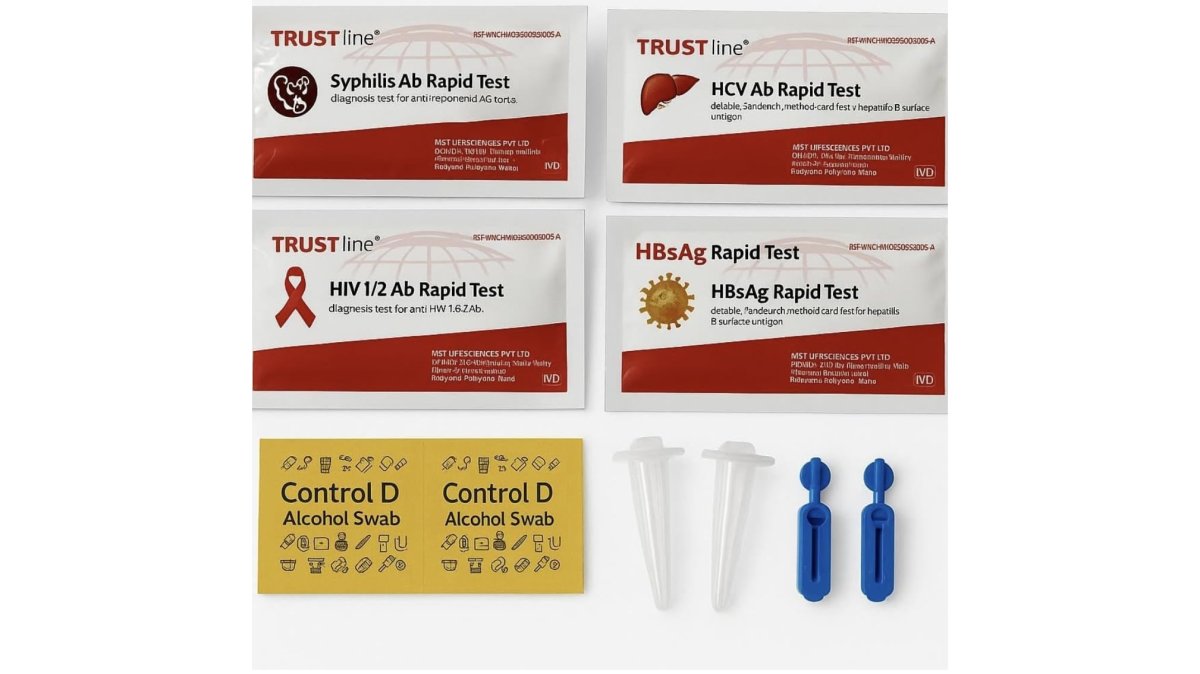
An at-home STI test lets you screen for sexually transmitted infections from your own space by collecting a sample, mailing it to a lab, and receiving results through a secure online portal, all confidential and without a clinic visit.
- Collect samples correctly by reading instructions first, washing your hands, and using sterile materials to avoid invalid results.
- Window periods vary by infection; chlamydia and gonorrhea typically show within 2-5 days, while HIV can take 18-45 days to detect.
- A positive result requires confirmation from a healthcare provider and treatment, which is straightforward for most bacterial infections.
- Choose kits with CLIA-certified labs, clear instructions, prepaid shipping, and secure password-protected results portals.
- Mail your sample promptly after collection, as most kits require arrival at the lab within a specific timeframe for accuracy.
Table of Contents
- Understanding At-Home STI Testing
- What You’ll Need Before You Start
- How to Collect an STI Test Sample at Home
- Understanding At-Home STI Test Accuracy and Limitations
- STI Testing Window Period: When to Test After Exposure
- What to Do After a Positive STI Test Result
- Choosing a Reliable At-Home STI Test Kit
- Frequently Asked Questions
Understanding At-Home STI Testing
An at-home STI test lets you screen for sexually transmitted infections from your own space.
At Eve llc, we know sexual health matters. Many people delay testing because of embarrassment, cost, or scheduling challenges.
The process is straightforward: order a kit, follow the collection instructions, and send your sample to a certified lab.
Testing regularly is part of taking care of yourself.
What You’ll Need Before You Start
You’ll need:
- A clean, private space to collect your sample (bathroom or bedroom works fine)
- Hands that you can wash with soap and water
- The collection materials included in your kit (swabs, containers, or collection tubes)
You should also have:
- Clear instructions from the kit (read them before starting)
- A clock or timer if the kit specifies collection timing
- Paper towels or tissues
Most kits are simple and come with everything packed inside. The At-Home STI Test Kit, Discreet Personal Health Screening from Eve llc includes step-by-step instructions, collection materials, and prepaid shipping.
Check your kit’s expiration date before use, an expired kit may not work properly. If anything is unclear, contact the company before collecting your sample.
How to Collect an STI Test Sample at Home
Collecting your sample correctly is the most important part of getting accurate results. A poorly collected sample can lead to invalid results and a retest. Here’s the actual collection process, step by step, by sample type.
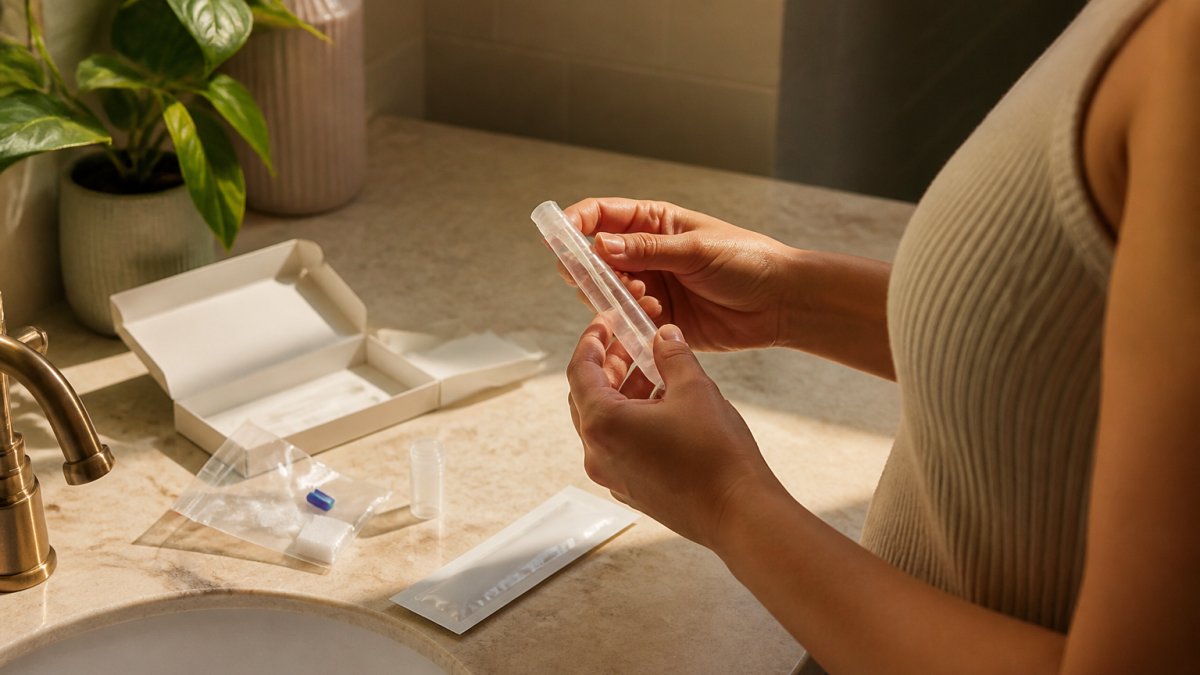
Before you open the kit
- Wash your hands thoroughly with soap and warm water and dry them completely. Clean hands prevent contamination.
- Read every instruction before touching anything. Different tests collect different samples, urine, swab, or blood, each with specific steps and timing.
- Set up a clean, private space like a bathroom counter. Lay out materials on a paper towel and avoid touching the inside of containers or swab tips.
- Check the expiration date on the kit and individual collection tubes.
Collecting a urine sample
- Use the sterile cup provided. If the kit includes a collection tube with a preservative, have it ready.
- Collect a first-catch urine sample unless instructed otherwise, the first part of your stream, not midstream. Many STI urine tests detect organisms near the urethral opening, so the first portion is what the lab needs.
- Fill to the marked line. Don’t overfill or underfill.
Collecting a swab sample
- Vaginal swabs: follow the insert depth and rotation instructions precisely. Many kits let you self-collect a vaginal swab, which is often as accurate as a clinician-collected swab for chlamydia and gonorrhea (pubmed.ncbi.nlm.nih.gov).
- Rectal or throat swabs: only collect these if the kit and instructions specifically call for them. Insert only to the depth described, going deeper doesn’t improve the sample and can cause discomfort.
- Don’t touch the swab tip with your fingers or set it down on a surface. Place it directly into the transport tube.
Collecting a blood sample (finger prick)
- Wash your hands with warm water to increase blood flow, then dry them.
- Use the lancet as directed, usually on the side of a fingertip rather than the pad.
- Wipe away the first drop with the provided gauze, then let the next drops fall into the collection tube up to the fill line. Squeezing too hard can dilute the sample with tissue fluid.
Packing and mailing your sample
- Seal the sample in the labeled container and place it in the biohazard bag included in your kit.
- Complete any paperwork required, usually a form with your name, date of birth, and contact info. Many kits now use QR codes or online registration instead.
- Pack everything in the prepaid shipping box and use the label provided. Do not use your own shipping label.
- Mail it promptly. Most kits need to arrive at the lab within a specific timeframe, often a few days. Check the instructions for deadlines and storage requirements.
- Track your shipment if tracking is provided.
A common mistake is rushing the collection. Take your time. The extra minute or two spent on proper technique prevents invalid results and saves you from retesting.
If your kit includes the At-Home STI Test Kit, Discreet Personal Health Screening from Eve llc, instructions, collection materials, and prepaid shipping are all included, just follow the steps above.
Understanding At-Home STI Test Accuracy and Limitations
At-home STI tests are reliable when used correctly, but not perfect. Understanding their accuracy helps you interpret results fairly.
Most at-home tests detect infections with accuracy rates in the range labs report for the same tests done in a clinic.
Common limitations include:
- Window periods: Some infections take days or weeks to show up in your system. Testing too soon after exposure can give a false negative result.
- Sample quality: If you don’t collect properly, results may be invalid. You might need to retake the test.
- Test sensitivity: Not all at-home tests detect all infections. Some kits screen for common infections like chlamydia, gonorrhea, and HIV. Others test for a broader panel.
The Are Rapid Health Tests Accurate? For a direct comparison, see Are Home Tests as Accurate as Clinic Tests?.
If you get a positive result, don’t panic.
STI Testing Window Period: When to Test After Exposure
The window period is the gap between exposure to an infection and when a test can reliably detect it. This timing matters, and it’s where most at-home testing guides stay vague. Below is infection-specific guidance so you can plan when to test.
Window periods by infection
| Infection | Typical window period | Notes |
|---|---|---|
| Chlamydia | About 1-2 weeks; many tests detect within 2-5 days | Retest at 2 weeks for a more reliable negative |
| Gonorrhea | About 1-2 weeks; many tests detect within 2-5 days | Same retest guidance as chlamydia |
| Trichomoniasis | About 1-2 weeks | Often included in urine or swab panels |
| Syphilis | 3-90 days, commonly around 3-6 weeks | Blood tests detect antibodies, so timing varies |
| HIV | 18-45 days depending on test type | Antigen/antibody tests generally detect sooner than older antibody-only tests |
| Herpes (HSV) | 2 weeks to 3 months | Blood tests may miss early infection; swab of a sore is most useful when one is present |
| Hepatitis B | 3-6 weeks for early markers; up to 6 months for full confidence | Confirm with a clinician if exposed |
These ranges are general education, not a diagnosis. A healthcare professional can give you personalized timing based on your exposure.
Why test type changes the window
- Nucleic acid amplification tests (NAATs) detect the organism’s genetic material and are the standard for chlamydia and gonorrhea. They can turn positive relatively soon after exposure.
- Antigen/antibody tests detect your immune response or viral proteins. For HIV, fourth-generation antigen/antibody tests generally shorten the window compared with older antibody-only tests.
- Antibody-only tests can take longer to turn positive because your body needs time to produce antibodies.
When a negative result should be repeated
A single negative test doesn’t always mean you’re clear. If you’ve had unprotected sex or a potential exposure:
- Wait at least 2 weeks before testing; longer is more reliable for infections with longer windows.
- Consider retesting after 3 months for infections with longer windows, such as syphilis and HIV.
- Use protection in the meantime to avoid spreading an infection you might have.
Testing too early can give you a false sense of security. A negative result before the window period closes does not rule out infection.
If you’re concerned about a specific exposure, ask a healthcare provider when to retest, they can give you personalized timing. The At-Home STI Testing: A Complete Guide to Sexual Health Screening article covers testing timelines in more detail.
What to Do After a Positive STI Test Result
Getting a positive result can feel scary or overwhelming. Take a breath, many sexually transmitted infections are treatable and manageable.
Your immediate next steps:
-
Don’t panic. A positive at-home test is information, not a diagnosis. You’ll need confirmation from a healthcare provider, but most infections are straightforward to treat.
-
Schedule an appointment with a doctor, nurse practitioner, or sexual health clinic. Bring your test result with you. They’ll confirm the result and discuss treatment options.
-
Get treatment. Most bacterial infections (chlamydia, gonorrhea, syphilis) are curable with antibiotics. Viral infections like herpes and HIV are manageable with medication. Your provider will explain your options.
-
Notify your partners. Recent sexual partners should know they may have been exposed so they can get tested too. Many clinics help with partner notification if you’re uncomfortable doing it yourself.
-
Avoid sexual contact until you’ve started treatment and your provider says it’s safe to resume. This protects your partners from infection.
-
Take all medication as prescribed. Even if symptoms disappear, finish the full course of treatment. Stopping early can lead to resistance or incomplete cure.
-
Follow up with your provider as instructed. Some infections need a follow-up test to confirm treatment worked.
A positive result doesn’t define you. It’s a health issue, like any other. Getting tested and treated is responsible and brave, you’re protecting yourself and others by taking action.
Choosing a Reliable At-Home STI Test Kit
Not all at-home STI test kits are created equal, choosing one you can trust matters.
Look for these qualities:
- Clear instructions: The kit should include step-by-step guidance that’s easy to follow. If instructions are confusing, the company should have customer support available.
- Prepaid shipping: You shouldn’t have to figure out how to mail a biohazard sample. Good kits include prepaid labels and appropriate packaging.
- Lab certification: The lab processing your sample should be CLIA-certified (Clinical Laboratory Improvement Amendments) (Clinical Laboratory Improvement Amendments (CLIA)). This is a U.S. standard for lab quality.
Be cautious of kits that:
- Lack clear instructions or customer support
- Don’t specify which lab processes samples
- Promise results in unrealistic timeframes
The At-Home STI Testing: A Complete Guide to Sexual Health Screening resource can help you evaluate kits and understand what to expect from the process start to finish.
Choosing a kit from a company that prioritizes your privacy and accuracy sets you up for a smooth experience. You deserve a process that’s straightforward, discreet, and reliable.
Frequently Asked Questions
How accurate are at-home STI tests compared to lab testing?
At-home STI tests can be highly accurate when performed correctly. However, accuracy varies by infection type and test manufacturer. Some conditions may require confirmatory laboratory testing for a definitive diagnosis. Always follow kit instructions carefully and consult a healthcare provider about your specific results, especially if you have symptoms or potential exposure.
Can HIV be detected through a urine sample?
Most at-home STI test kits use blood samples or oral swabs rather than urine samples, as these provide more reliable detection of HIV and other infections. Some screening panels may include urine collection, but blood-based tests are generally considered more accurate for HIV detection. Check your specific kit’s instructions to confirm which sample type is required and what infections it screens for.
What should I do if I get a positive result on my at-home STI test?
A positive result means you should contact a healthcare provider promptly for confirmatory testing and medical guidance. Do not panic, many sexually transmitted infections are treatable. Your provider can discuss treatment options, partner notification if needed, and next steps for your sexual health. Keep your test results and kit information available when you speak with your healthcare provider.
How long after potential exposure should I wait to test for STIs?
Different infections have different window periods, the time between exposure and when a test can reliably detect the infection. For example, some infections may be detectable within days, while others require weeks. Consult your healthcare provider about the right timing for your situation, especially if you have symptoms or known exposure. Testing too early may result in a false negative.
Taking control of your sexual health starts with knowing your status. An at-home STI test puts that power in your hands. At Eve llc, we’re committed to making sexual health screening accessible, private, and straightforward. Get your test kit today and take the first step toward confident, informed sexual health decisions.






