

Last Updated: October 25, 2026
Quick Summary
Personal care products sensitive skin requires formulas with ceramides, hyaluronic acid, or colloidal oatmeal that repair and maintain your skin barrier rather than stripping it. Avoid products with fragrance, sulfates, or alcohol denat, and introduce new products one at a time, waiting 1-2 weeks between additions to catch any delayed reactions.
- La Roche-Posay Lipikar cream uses colloidal oatmeal and Prebiotic Thermal Water to interrupt the itch-scratch cycle in eczema.
- COSRX 7X Ceramide Moisturizer includes seven types of ceramides for comprehensive structural barrier repair.
- Introduce new products slowly through patch testing on a hidden area for 24-48 hours before applying to your face.
- A complete sensitive skin routine needs only three things: a gentle cleanser, a barrier-repair moisturizer, and consistency over 2-3 weeks.
- If persistent redness, severe itching, or oozing occurs after trying multiple gentle products, consult a dermatologist for professional diagnosis.
Table of Contents
- Why Sensitive Skin Needs Different Personal Care Products
- Quick Comparison: Our Top Picks for Sensitive Skin
- 1. La Roche-Posay Lipikar Soothing Relief Eczema Cream: For Severe Irritation and Eczema
- 2. COSRX 7X Ceramide Moisturizer: Barrier Repair for Daily Protection
- 3. Suganda Dry Therapy Relief Cream: Budget-Friendly Itch and Redness Relief
- 4. 345 Relief Cream: Lightweight Hydration for Sensitive Skin
- 5. RE’ EQUIL Ceramide & Hyaluronic Acid Moisturiser: Long-Lasting Barrier Support
- 6. Neutrogena Makeup Remover Wipes: Gentle Cleanser for Sensitive Skin
- Building a Sensitive Skin Skincare Routine That Works
- Ingredients to Avoid for Sensitive Skin
- How to Patch Test Skincare Products Safely
- When to Consult a Dermatologist
- Frequently Asked Questions
Why Sensitive Skin Needs Different Personal Care Products
Your skin barrier is your first line of defense against irritation, dryness, and inflammation.
At Eve, we understand that sensitive skin requires careful ingredient selection and a thoughtful routine.
The American Academy of Dermatology’s guidance on sensitive skin care emphasizes that the right cleanser and moisturizer form the foundation of any effective routine.
What makes a product truly suitable for sensitive skin?
Look for formulas that include ceramides, hyaluronic acid, or colloidal oatmeal. These ingredients repair and maintain the skin barrier rather than stripping it.
We’ve also included guidance on how to reduce skin irritation from products, because sometimes the best personal care product is one you introduce safely and gradually, not all at once.
Quick Comparison: Our Top Picks for Sensitive Skin
| Product | Price | Best For | Key Feature |
|---|---|---|---|
| La Roche-Posay Lipikar Soothing Relief Eczema Cream | $12.79 | Severe irritation and eczema | Colloidal oatmeal + Prebiotic Thermal Water |
| COSRX 7X Ceramide Moisturizer | $16.10 | Daily barrier repair | 7 types of ceramides for structural support |
| Suganda Dry Therapy Relief Cream | $5.31 | Budget-friendly itch relief | Panthenol, oat extract, bisabolol |
| 345 Relief Cream | $10.43 | Lightweight hydration | Barrier repair without heaviness |
| RE’ EQUIL Ceramide & Hyaluronic Acid Moisturiser | $2.92 | Long-lasting hydration | Hyaluronic acid + ceramides for sustained moisture |
| Neutrogena Makeup Remover Wipes | $9.97 | Gentle cleansing | Micellar technology + plant-based cloth |
1. La Roche-Posay Lipikar Soothing Relief Eczema Cream: For Severe Irritation and Eczema
If your skin is actively inflamed, itching, or showing signs of eczema, this is the personal care product to start with.
What sets this cream apart is its heavy-duty hydration. Unlike lighter moisturizers that might feel insufficient during a flare-up, this formula replenishes the essential lipids your skin barrier is missing.
The 6.8oz size is practical for regular use. At $12.79, it’s an investment in barrier repair. If you have eczema-prone skin or a history of severe reactions, you can purchase it directly here.
Best for: People with active eczema, severe dryness, or chronic irritation who need immediate barrier repair.
Skip if: You prefer lightweight textures or have oily skin, this is a heavy cream designed for compromised barriers.
2. COSRX 7X Ceramide Moisturizer: Barrier Repair for Daily Protection
The real difference between this moisturizer and generic options comes down to ceramide diversity. COSRX includes seven types of ceramides, ceramides are lipid molecules that literally fill gaps in your skin barrier.
This is a daily-use moisturizer, not a treatment cream. It absorbs faster than heavier formulas and works well under makeup or other products.
Korean skincare formulations tend to prioritize barrier health over heavy fragrance, and this product exemplifies that philosophy. You won’t find unnecessary fragrance or alcohol here, just ceramides, hyaluronic acid, and a few supporting ingredients.
Best for: People who want daily barrier maintenance without the heaviness of a treatment cream.
Skip if: You need immediate relief from active inflammation, pair this with a heavier cream during flare-ups.
3. Suganda Dry Therapy Relief Cream: Budget-Friendly Itch and Redness Relief
Fragrance-free, lightweight, and specifically formulated to soothe itch and redness, this personal care product delivers barrier repair at the most accessible price point in this guide.
The formula works for both face and body, so you can use it wherever your sensitive skin acts up. Many people appreciate the fragrance-free approach because they’ve had reactions to “natural” scents in other products. This removes that variable entirely.
At $5.31, this is a budget-conscious choice without sacrificing effectiveness. It won’t replace a heavy eczema cream during severe flare-ups, but for daily use or mild irritation, it’s genuinely effective.
Best for: Budget-conscious shoppers and anyone with mild to moderate irritation who wants fragrance-free personal care.
Skip if: You have severe eczema or active inflammation, you’ll need something heavier for barrier repair during flare-ups.
4. 345 Relief Cream: Lightweight Hydration for Sensitive Skin
This cream sits between lightweight daily moisturizers and heavy treatment formulas. It’s formulated as a barrier repair moisturizer but with a texture light enough for daily use without feeling greasy.
The 50ml size is practical for face-focused use or testing before committing to a larger product. At $10.43, it’s an affordable option for someone building a sensitive skin routine from scratch.
What makes this personal care product useful is its middle-ground positioning. If La Roche-Posay’s cream feels too heavy for your daily needs but you want more barrier support than a basic moisturizer, this bridges that gap.
Best for: People who want barrier repair in a lightweight daily formula.
Skip if: You need heavy-duty treatment during active flare-ups, this is a maintenance product, not a crisis intervention.
5. RE’ EQUIL Ceramide & Hyaluronic Acid Moisturiser: Long-Lasting Barrier Support
Ceramides and hyaluronic acid together create a powerful hydration system. Ceramides rebuild your barrier’s lipid structure while hyaluronic acid draws moisture into the skin and holds it there. This 100g jar provides long-lasting hydration.
The formula is suitable for normal to dry skin, making it a solid choice for anyone with compromised barriers.
Apply morning and night to clean skin. The long-lasting hydration this provides can be beneficial if your primary concern is dryness and barrier repair. Get it here if you want effective personal care at the lowest price point.
Best for: People prioritizing value and long-lasting hydration for daily barrier maintenance.
Skip if: You prefer smaller, travel-friendly sizes, the 100g jar is best for home use.
6. Neutrogena Makeup Remover Wipes: Gentle Cleanser for Sensitive Skin
A good cleanser is half the battle in sensitive skin care. These wipes use micellar technology, tiny oil molecules that gently capture dirt, oil, and makeup without harsh rubbing or stripping.
Fragrance-free and formulated to remove up to 99% of makeup, including waterproof mascara, these wipes are convenient for evening cleansing. The 2-pack of 25 count gives you 50 wipes total.
The real advantage here is convenience without compromise. Many people with sensitive skin skip makeup removal entirely because typical wipes irritate them. These are gentle enough for daily use while actually effective at cleansing.
Best for: People who want gentle makeup removal without irritation or the hassle of liquid cleansers.
Skip if: You prefer reusable cleansing cloths or have a preferred liquid cleanser that works for your skin.
Building a Sensitive Skin Skincare Routine That Works
A routine for sensitive skin is simpler than most people think. You need three things: a gentle cleanser, a moisturizer with barrier-repair ingredients, and consistency.
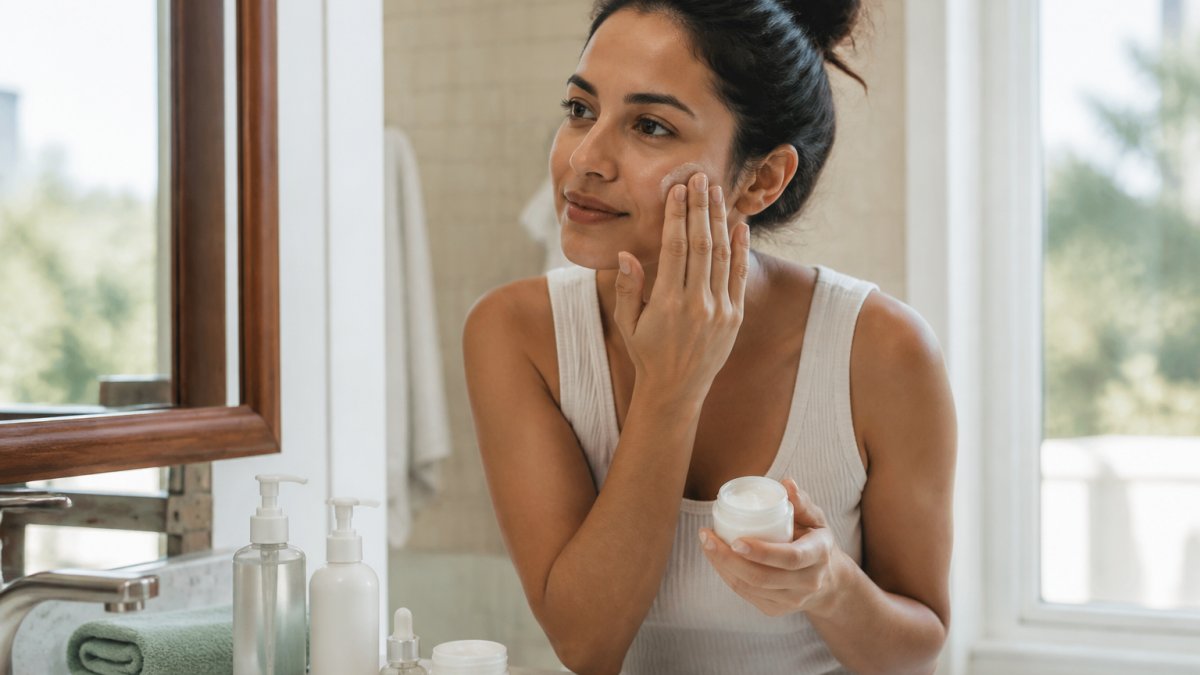
Morning routine:
- Cleanse with a gentle product (the Neutrogena wipes work for this)
- Apply your chosen moisturizer while skin is still slightly damp
- Wait 5 minutes before applying makeup or sunscreen
Evening routine:
- Cleanse again with your gentle cleanser
- Apply moisturizer to damp skin
- If using a treatment product (like the La Roche-Posay cream during flare-ups), apply after the lighter moisturizer
The key principle: introduce products slowly. Add one new personal care products sensitive skin option, wait 1-2 weeks, then evaluate how your skin responds.
Watch out: if you introduce multiple new products at once and your skin reacts, you won’t know which one caused the problem. Single introductions take longer but save you from wasted money and frustration.
Ingredients to Avoid for Sensitive Skin
Certain ingredients trigger reactions in sensitive skin far more often than others. Fragrance (synthetic or “natural”) is the number-one culprit, even small amounts can irritate reactive skin. Sulfates strip your skin barrier, making irritation worse.
Common irritants to watch for include essential oils, citrus extracts, and strong preservatives. Some people tolerate these fine; others have immediate reactions. The only way to know is through careful introduction and observation.
The Cosmetic Ingredient Review panel’s safety assessments provides detailed information on ingredient safety, though most of this is technical. For practical purposes: if an ingredient isn’t listed in the product descriptions above, avoid it until you know how your skin responds.
Hypoallergenic doesn’t mean allergen-free, it just means the manufacturer avoided common allergens. Always read the full ingredient list, not just the marketing claims.
How to Patch Test Skincare Products Safely
Patch testing is the gold standard for introducing new personal care products to sensitive skin. Here’s how to do it properly:
- Choose a small, hidden area, inside your elbow or behind your ear works well
- Apply a small amount, about the size of a pea
- Wait 24-48 hours, don’t wash the area or apply other products
- Observe for reactions, redness, itching, burning, or swelling means stop using it
- If no reaction, apply to face, start with a small amount in your evening routine
- Wait 1-2 weeks, give your skin time to show delayed reactions
This process feels slow, but it’s the fastest way to build a routine that actually works. Rushing leads to reactions and wasted money.
When to Consult a Dermatologist
Some skin conditions look like simple sensitivity but require professional diagnosis. If you have persistent redness, severe itching, oozing, or signs of infection, see a dermatologist.
A dermatologist can identify whether you’re dealing with contact dermatitis, eczema, rosacea, or another condition that might need targeted treatment beyond moisturizers and cleansers. They can also recommend prescription-strength products when needed.
The American Academy of Dermatology’s patient resources on sensitive skin includes guidance on when to seek professional help.
Building a personal care routine for sensitive skin doesn’t require expensive or complicated products. It requires the right ingredients, ceramides, hyaluronic acid, colloidal oatmeal, introduced slowly and consistently. The products we’ve highlighted share a commitment to barrier repair and minimal irritation.
Frequently Asked Questions
What products are suitable for sensitive skin?
Look for personal care products that are fragrance-free, hypoallergenic, and formulated with barrier-repair ingredients like ceramides and hyaluronic acid. Avoid products with alcohol, strong fragrances, or harsh actives. The products we recommend, like COSRX 7X Ceramide Moisturizer ($16.10) and La Roche-Posay Lipikar Relief Cream ($12.79), are specifically designed to calm irritation and strengthen your skin barrier without triggering reactions.
What ingredients should people with sensitive skin avoid?
Common irritants include alcohol denat, synthetic fragrances, essential oils, benzoyl peroxide, and high concentrations of acids or retinoids. Strong preservatives and dyes can also trigger sensitivity. If you have sensitive skin, choose products labeled fragrance-free and patch test before full application. Reading ingredient lists carefully helps you identify potential irritants specific to your skin.
How should I patch test a new skincare product?
Apply a small amount of the product to a discreet area like your inner arm or behind your ear. Wait 24-48 hours and observe for redness, itching, burning, or swelling. If no reaction occurs, apply a small amount to your jawline or temple for another 24-48 hours before using it on your full face. This gradual approach helps you catch sensitivity before it affects your entire face and gives your skin time to adjust to new ingredients.
What is a good skincare routine for sensitive skin?
A simple routine includes: morning cleanse with a gentle product like Neutrogena Makeup Remover Wipes ($9.97), followed by a hydrating moisturizer such as 345 Relief Cream ($10.43) or COSRX 7X Ceramide Moisturizer ($16.10). At night, repeat cleansing and apply a richer barrier cream if needed. Avoid layering too many products; sensitive skin often responds better to fewer, well-chosen steps that focus on hydration and barrier repair.
Can fragrance-free products still irritate sensitive skin?
Yes. Fragrance-free doesn’t guarantee safety for sensitive skin. Other ingredients like preservatives, emulsifiers, or botanical extracts can still cause irritation. Always check the full ingredient list, not just the fragrance status. Patch testing is essential because sensitivity is individual, what irritates one person may not affect another. Our recommended products prioritize both fragrance-free formulas and gentle, well-tolerated ingredients to minimize risk.






