
Quick answer: Period blood can look pink, bright red, dark red, or brown during an ordinary menstrual cycle. Color often changes as blood mixes with vaginal fluid or spends more time before leaving the body. Color alone cannot diagnose a medical condition. The timing, amount of bleeding, pain, pregnancy possibility, and other symptoms are usually more useful clues.
Why does period blood change color?
Menstrual fluid is a mixture of blood and tissue shed from the uterine lining. As blood moves out at different speeds, its appearance may change. Blood that leaves more quickly often looks bright red; blood that takes longer to leave can look darker red or brown. A lighter pink appearance may occur when a small amount of blood mixes with vaginal fluid. These variations can happen within a single period and do not automatically indicate a health problem.
What matters most is whether a change is typical for you. A new pattern of heavy bleeding, unusual spotting, significant pain, or bleeding after menopause deserves attention even if the blood looks like a familiar color.
Pink period blood: often a lighter flow
Light pink spotting can occur at the beginning or end of a period when there is less blood mixed with normal vaginal secretions. It can also occur with other kinds of spotting, so context matters. If pregnancy is possible and bleeding is unexpected, consider a pregnancy test and contact a healthcare professional for guidance. Do not use the color of spotting to confirm or rule out pregnancy.
Bright red period blood: often newer blood
Bright red menstrual blood is common when flow is active. It does not mean the period is healthier or less healthy than one that looks brown. If bright red bleeding is unusually heavy, continues longer than normal, or occurs between periods or after sex, contact a clinician. The amount and timing of bleeding are more informative than the shade.
Dark red or brown period blood: often blood that has been present longer
Dark red or brown blood is especially common near the end of a period, although it may appear at other times. A darker color can reflect changes in blood as it spends time in the uterus or vagina. It is not proof of a hormonal imbalance, infection, infertility, or a specific disease.
Brown spotting outside your expected period can have several causes, including hormonal contraception and other conditions. If it is new, recurring, or accompanied by pain or unusual discharge, arrange a medical evaluation instead of assuming it is simply “old blood.”
What about very dark blood or unusual discharge?
Very dark brown menstrual blood may appear almost black. If it occurs during your usual period without other concerning symptoms, the dark appearance alone may not be alarming. However, new foul odor, fever, pelvic pain, itching, burning, or unusual gray or green discharge is not something to diagnose by color online. Seek medical advice, because discharge changes and bleeding can have different causes and may require testing.
Five details worth tracking besides color
- Timing: The first and last day of bleeding, and whether spotting happens between periods or after sex.
- Flow: Whether protection becomes soaked unusually quickly and how often you need to change it.
- Duration: Whether bleeding lasts longer than is usual for you, especially beyond seven days.
- Symptoms: Cramping, pelvic pain, fever, unusual discharge, dizziness, shortness of breath, or fatigue.
- Context: Pregnancy possibility, recent childbirth, contraception changes, medications, and whether menopause has occurred.
You can record these observations in a notebook or a period-tracking tool. If you use an app, review its privacy settings and data-sharing practices before entering sensitive health details.
When should you contact a healthcare professional?
Arrange medical advice for bleeding between periods, bleeding after sex, new persistent spotting, very heavy or prolonged periods, or any bleeding after menopause. These changes can have many causes; a clinician can decide whether examination, pregnancy testing, blood tests, or other evaluation is appropriate.
Seek emergency care if you are soaking pads or tampons every hour for more than two hours and also have symptoms such as chest pain, shortness of breath, dizziness, or lightheadedness. If pregnancy is possible and unusual bleeding comes with significant one-sided or severe pelvic or abdominal pain, fainting, or shoulder pain, seek urgent evaluation for a possible pregnancy complication.
Can menstrual products change the color of your blood?
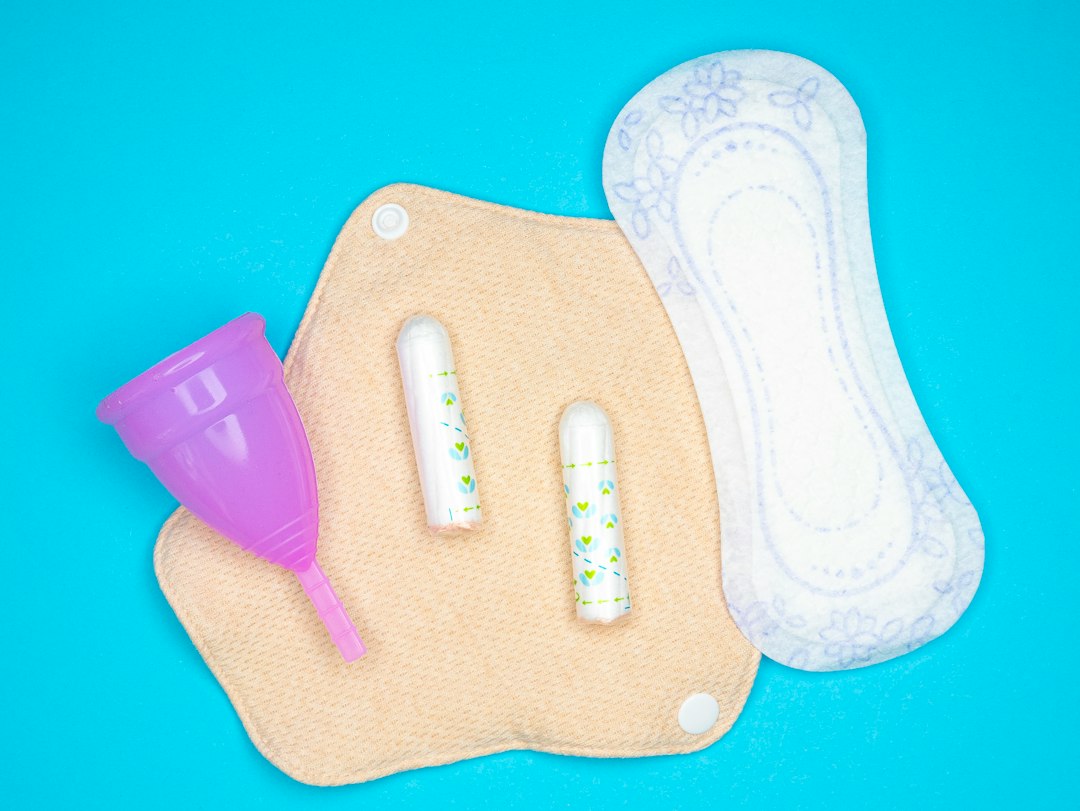
Pads, tampons, and menstrual cups collect menstrual fluid differently, and the amount of time blood is visible on a product can affect how it looks. No menstrual product can diagnose the cause of bleeding, and changing products will not treat an underlying bleeding disorder. Choose protection based on comfort, absorbency, fit, and safe-use instructions. For a practical comparison, read EVE LLC’s guide to pads, tampons, and menstrual cups.
Access to supplies matters, especially when cycles are unpredictable. Learn about EVE Forgiveness and the mission to improve menstrual-product access.
Frequently asked questions
Does brown period blood mean something is wrong?
Not necessarily. Brown blood during a period can be normal. But new brown spotting between periods, after sex, or after menopause warrants medical attention.
Can period blood color tell me whether I have PCOS, fibroids, or endometriosis?
No. Those conditions cannot be diagnosed from blood color. Their assessment depends on symptoms, medical history, examination, and sometimes testing or imaging.
Does pink spotting mean pregnancy?
Not by itself. Many situations can cause spotting. A pregnancy test and appropriate clinical evaluation are more reliable than interpreting color.
Is every dark or almost-black period concerning?
No. Darker blood can be seen during a normal period. Seek care if the change is unusual for you or is accompanied by other concerning symptoms.
Trusted medical sources
- Cleveland Clinic: Why period blood can change color (September 23, 2025).
- ACOG: Abnormal uterine bleeding and warning signs.
- NHS: Bleeding between periods or after sex.
Medical disclaimer: This article provides general education and does not diagnose a condition or replace professional medical care. Editorial review date: October 28, 2026.
Featured photo credit: Reproductive Health Supplies Coalition / Unsplash. An original AI-generated illustration was also created for editorial review but is not represented as a clinical photograph or an actual EVE product.





