

Polycystic ovary syndrome (PCOS) is a hormone-related condition that can affect menstrual cycles and other aspects of health. People’s experiences differ; having one symptom does not by itself confirm PCOS.
\nWhat someone might notice
\n\nPossible signs include irregular or absent periods, acne, excess facial or body hair, or difficulty with fertility. Some people have few obvious symptoms. The name can also be confusing: a clinician may assess PCOS without relying on a single ultrasound finding.
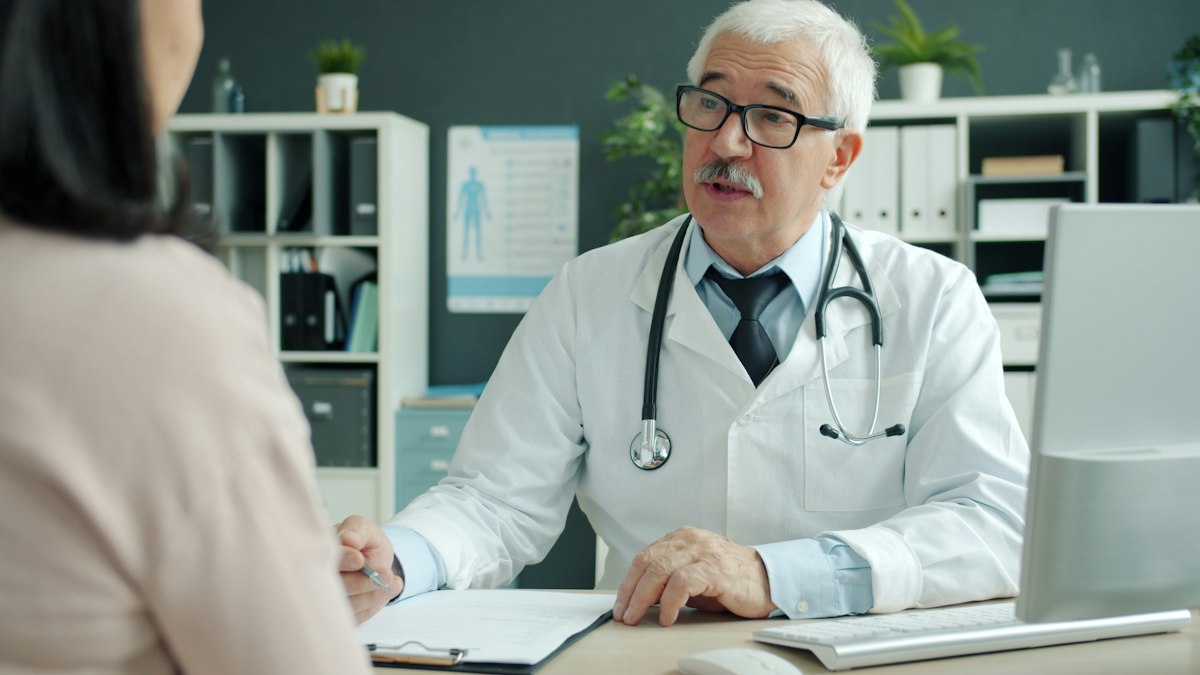
\n\nHow to prepare for a visit
\n\nBring cycle dates, symptoms, medications and questions. You might ask what other conditions should be ruled out, what tests are being considered, and how the plan addresses the symptoms that matter most to you. PCOS management is individualized, and plans may change over time.
\n\nThe Office on Women’s Health PCOS guide offers an overview. EVE wants women and girls to feel informed enough to ask questions and seek support—not blamed for a condition they did not cause.
\n\nGeneral information only; consult a qualified healthcare professional for personal evaluation.
\nExplore EVE LLC
Visit EVE LLC for women’s health resources, products, and services, or get the EVE LLC app for iPhone.
Photo by Sincerely Media on Unsplash





