
Last Updated: November 16, 2026
Quick Summary
To soothe sensitive skin irritation fast, stop all actives and new products, rinse with lukewarm water, apply a cool compress for 5 to 10 minutes, and moisturize while skin is damp with a plain, fragrance-free cream. Keep the routine short and reintroduce products slowly.
- Redness and warmth mean increased blood flow, while itching and stinging usually signal a compromised barrier.
- Irritation stings right away and fades when you stop the product; allergy can spread a day or two later.
- Use hydrocortisone 1% on the face sparingly and only for a few days, and keep it away from eyelids.
- Patch test on the inner forearm twice a day for 3 to 5 days before applying to the face.
- Wait until skin has been calm for at least 5 days before reintroducing one product at a time.
Table of Contents
- What Sensitive Skin Symptoms Tell You
- The First Hour: A Step-by-Step Plan to Calm Irritated Skin
- Why Is My Skin So Sensitive All of a Sudden?
- How to Treat Sensitive Skin on Face at Home
- How to Treat Sensitive Skin on Body
- Choosing Products: Ingredients to Avoid and What to Use
- When to Seek Medical Care for Sensitive Skin Irritation
- Build Your Gentle Skin-Care Routine with EVE
- Frequently Asked Questions
What Sensitive Skin Symptoms Tell You
Sensitive skin irritation is a reaction, not a skin type. It happens when your skin barrier, the outer layer that holds in water and keeps irritants out, gets worn down by a product, an ingredient, weather, or friction. At EVE, readers mid-flare ask us one thing: how to soothe sensitive skin irritation without making it worse.
Here is what your symptoms mean, a first-hour plan, and how to rebuild a routine that holds up.
Redness, Itching, Burning, and Stinging
Your symptoms show what is happening in the skin. Redness and warmth mean increased blood flow; itching and stinging usually mean the barrier is compromised and nerve endings are exposed.
Watch for these signs:
- Redness that spreads or deepens over hours
- Itching that gets worse at night or after a shower
- Burning or stinging when you apply anything, even water
Mild redness and dryness usually settle with gentle care. Burning within minutes of a product is a signal to stop using it.
When It Is Irritation, Allergy, or Infection
Irritation, allergy, and infection look similar but need different responses. Irritation is a direct reaction to something harsh and stays mostly where the product touched you. Allergy is an immune response and can spread or appear in new spots.
The American Academy of Dermatology’s guidance on contact dermatitis describes contact dermatitis as either irritant or allergic, with itching and a rash as common signs.
A simple sorting rule:
- Irritation: stings right away, fades when you stop the product
- Allergy: itching and rash that spread, sometimes a day or two later
- Infection: pain, heat, pus, or feeling unwell
The First Hour: A Step-by-Step Plan to Calm Irritated Skin
The first hour matters more than the next week. Your goal: stop the trigger, cool the skin, and protect the barrier without adding new products.

- Stop everything. Pause all actives, exfoliants, and anything new. Note what you used in the last 48 hours.
- Rinse with lukewarm water. Skip soap for now. Pat dry with a clean towel, don’t rub.
- Apply a cool compress. A clean cloth with cool water for 5 to 10 minutes calms heat and itching.
- Moisturize while damp. A plain, fragrance-free cream traps water in the skin.
- Leave the area alone. No makeup, no scrubs, no testing other products.
Watch out: don’t reach for a new “calming” serum in hour one.
For a deeper walkthrough, our guide on how to reduce skin irritation from products covers how to spot the culprit and rebuild safely.
Why Is My Skin So Sensitive All of a Sudden?
Sudden sensitivity usually has a cause, even when it feels random. Skin that was fine for years can turn reactive after over-cleansing, a new product, a weather shift, or a hormonal change.
Common patterns we see:
- A new cleanser, sunscreen, or scented lotion in the last two weeks
- More frequent washing, hotter showers, or extra exfoliation
- Cold, dry air or heavy sun exposure
Triggers, Products, and Seasonal Changes
Triggers fall into three buckets: what you put on your skin, what your skin is exposed to, and what is happening inside your body.
Product triggers include fragrance, dyes, alcohol-based toners, and strong acids. Environmental triggers include wind, sun, and dry indoor heat.
If your skin flares at the same point each month, tracking your cycle alongside your skin symptoms can reveal the pattern.
How to Treat Sensitive Skin on Face at Home
Facial skin is thinner, has fewer oil glands in some areas, and sits closest to the eyes, so it reacts faster and recovers more slowly than body skin. During a flare, the goal is fewer steps, not more.
The Basic Three-Step Routine
Strip your routine down to three steps until the skin is calm:
- Cleanse once at night with a mild, fragrance-free cleanser. In the morning, rinse with lukewarm water only.
- Moisturize while the skin is still damp with one plain, fragrance-free cream. A cream formulated for sensitive skin supports the barrier; our 345 Relief Cream for sensitive skin is a lightweight daily moisturizer made for dry, irritated skin and barrier support.
- Use a mineral sunscreen in the daytime. Sun exposure deepens redness and slows recovery, so sunscreen is not optional during a flare. Mineral formulas with zinc oxide or titanium dioxide tend to sit more gently on reactive skin than chemical filters.
Watch out: don’t layer a new “calming” serum on top of a flare. Every added product is another variable, and if skin worsens you won’t know which one caused it.
Over-the-Counter Options and Where They Belong
A few drugstore staples genuinely help facial irritation, but placement and duration matter:
- Hydrocortisone 1% cream: useful for short-term relief of itchy, inflamed patches on the body. On the face, use it sparingly and only for a few days, because thin facial skin absorbs more of the steroid and prolonged use can thin the skin, trigger breakouts, or cause lightening. Keep it away from the eyelids unless a clinician tells you otherwise.
- Calamine lotion: a classic for itchy, oozing, or insect-bite-type irritation on the body. It is drying, so it is a poor fit for already dry or flaky facial skin.
- Barrier ointments (petrolatum-based): plain petrolatum or a fragrance-free ointment seals the surface and is well tolerated on cracked or raw patches, including around the nose and lips. Apply a thin layer, not a thick mask, on the face.
People often reach for hydrocortisone first and a plain moisturizer last. For most mild irritation, the moisturizer does more of the long-term work, and the steroid is a short bridge.
What to Skip on the Face
Avoid exfoliating acids (glycolic, salicylic, lactic), retinoids, vitamin C serums, clay masks, and anything with fragrance or essential oils until the skin has been calm for at least a week.
If irritation centers on the eyelids, be extra cautious.
For a deeper walkthrough of spotting the culprit product, our guide on how to reduce skin irritation from products covers how to rebuild safely.
How to Treat Sensitive Skin on Body
Body skin tolerates more than the face, but the same rules apply. Shorten showers, lower the temperature, and swap bar soaps for a fragrance-free cleanser.
Apply moisturizer within a few minutes of patting dry, while the skin is still damp. Our Suganda Dry Therapy Relief Cream is fragrance-free and made for face and body, with panthenol, oat extract, and bisabolol for barrier support.
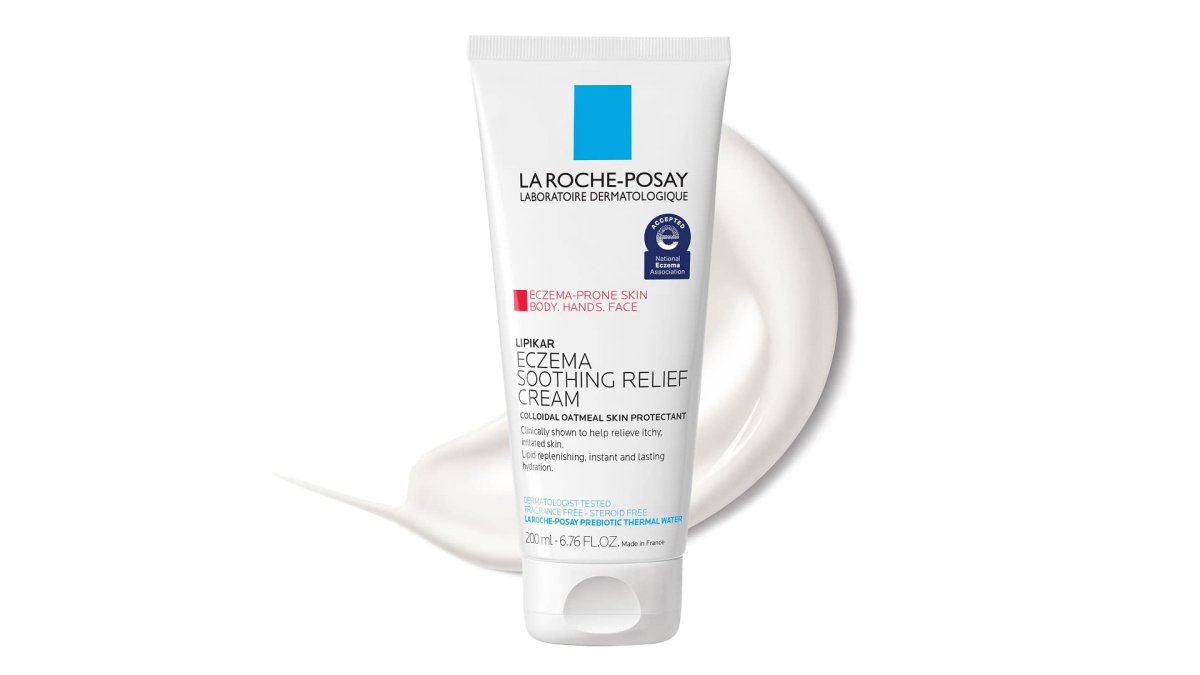
For eczema-prone patches, a lotion with colloidal oatmeal can relieve itching. The National Eczema Association’s overview of eczema care notes that gentle skin care and consistent moisturizing are core to managing flare-prone skin.
Feminine and Intimate Areas Need Extra Care
Intimate skin has a delicate barrier and a natural pH that harsh soaps can disrupt. Scented washes, douches, and fragranced wipes are common causes of irritation there.
Keep it simple:
- Wash externally with plain water or a fragrance-free, pH-balanced wash
- Avoid scented products, douches, and harsh soaps
- Change out of damp clothing promptly
Our guide on safe feminine care for sensitive skin walks through what to look for in period products and washes.
Choosing Products: Ingredients to Avoid and What to Use
Reading labels is the fastest way to prevent the next flare. Fewer ingredients generally means fewer chances for a reaction, but the specific ingredients matter as much as the count.
Ingredients to Avoid
| Avoid | Why It Triggers | Choose Instead |
|---|---|---|
| Fragrance and perfume | The most common cause of contact reactions in cosmetics; “unscented” can still contain masking fragrance | Formulas labeled “fragrance-free” |
| Dyes and colorants | Added irritation with no skin benefit | Uncolored products |
| Drying alcohols (denatured alcohol, isopropyl alcohol high on the list) | Strip oils and weaken the barrier | Alcohol-free formulas; fatty alcohols like cetyl and stearyl are fine |
| Strong acids and scrubs | Over-exfoliate already sensitive skin | Gentle, no-scrub cleansers |
| Essential oils (lavender, citrus, peppermint) | Natural fragrance compounds that trigger reactions | Fragrance-free formulas |
| Scented wipes and washes | Disrupt intimate skin pH | pH-balanced, fragrance-free washes |
| Preservatives like methylisothiazolinone | Common contact allergen in leave-on products | Phenoxyethanol or other well-tolerated systems |
“Natural” and “clean” are marketing terms, not safety guarantees. Essential oils and botanical extracts are among the most frequent causes of allergic contact dermatitis in cosmetics.
Ingredients That Actually Soothe
Not every “calming” ingredient earns its label. These have the best evidence for sensitive, irritated skin:
- Colloidal oatmeal: relieves itching and supports the barrier; found in creams and bath products.
- Petrolatum and dimethicone: seal in water and protect raw skin; among the best-tolerated ingredients available.
- Ceramides, cholesterol, and fatty acids: the building blocks of the skin barrier; look for them in barrier-repair creams.
Our Suganda Dry Therapy Relief Cream is fragrance-free and made for face and body, with panthenol, oat extract, and bisabolol for barrier support. For cleansing, our Fabpad Gentle Intimate Wash is fragrance-free and pH balanced for daily use.
How to Patch Test the Right Way
A patch test is only useful if you run it long enough and in the right place:
- Apply a small amount to the inner forearm, twice a day, for 3 to 5 days.
- Watch for redness, itching, or swelling, which can appear a day or two after application, not just immediately.
- If the forearm stays clear, apply to a small area of the face or the intended body area for another 3 days.
- Only then use it normally.
Watch out: a product that stings on contact is not “working.” Burning means rinse it off and stop.
How to Reintroduce Products Safely
Add products back one at a time, not all at once:
- Wait until skin has been calm for at least 5 days
- Choose one product to reintroduce
- Patch test on your inner forearm for 3 to 5 days
If you react, stop the product and note the full ingredient list. That record helps a clinician identify the allergen if you need testing later.
When to Seek Medical Care for Sensitive Skin Irritation
Most mild irritation settles within a few days of gentle care. Some signs need a professional, and waiting can make things worse.
Contact a healthcare professional if you notice:
- A rash that spreads quickly or covers a large area
- Swelling of the face, lips, or eyelids
- Blisters, oozing, or crusting
If you have a known skin condition such as eczema, rosacea, or a history of allergic reactions, check in earlier. A clinician can help you tell irritation from allergy and recommend treatment that fits your skin.
Build Your Gentle Skin-Care Routine with EVE
Calming sensitive skin irritation comes down to four habits: stop the trigger, cool and protect the skin, keep the routine short, and reintroduce products slowly. Most flares improve when you do less, not more.
At EVE, we offer everyday feminine-care and personal-care products and share plain-language education on cycle health, postpartum care, and intimate skin care.
Start with one change this week: swap one scented product for a fragrance-free option and see how your skin responds.
If your skin is reactive right now, start with a gentle reset rather than a full overhaul.
Frequently Asked Questions
How do you calm irritated, sensitive skin quickly?
Start by stopping the trigger: rinse with lukewarm water, skip soap, and pat dry. Apply a cool compress for 5 to 10 minutes, then seal in moisture with a fragrance-free moisturizer or barrier ointment. Avoid scrubbing, hot water, and new products for at least 48 hours. If burning, swelling, or a spreading rash appears, contact a healthcare professional, since sensitive skin irritation that worsens may need medical assessment.
Will irritant dermatitis go away on its own?
Mild irritant contact dermatitis often settles within days once the trigger is removed and the skin barrier is supported with gentle cleansing and moisturizing. If symptoms persist beyond a week, keep returning, or involve blistering, oozing, or significant swelling, see a healthcare professional. They can distinguish irritation from allergy or infection and recommend appropriate treatment.
What can I put on my irritated skin to soothe it?
Fragrance-free moisturizers with colloidal oatmeal, ceramides, or petrolatum help calm and protect irritated skin. A cool compress offers immediate relief, and barrier ointments like zinc oxide shield raw areas. Over-the-counter hydrocortisone or anti-itch creams can help short-term but should be used as directed and not on broken skin without professional advice. Avoid calamine lotion on open areas, and patch test anything new.
Why is my skin suddenly sensitive and burning?
Sudden sensitivity often follows a new product, over-exfoliation, hot showers, weather changes, or stress. It can also signal an allergic reaction or an underlying condition like eczema. Review what changed in your routine during the past two weeks, simplify to a gentle cleanser and moisturizer, and give your skin barrier time to recover. Persistent burning or spreading rash warrants a medical visit.






