
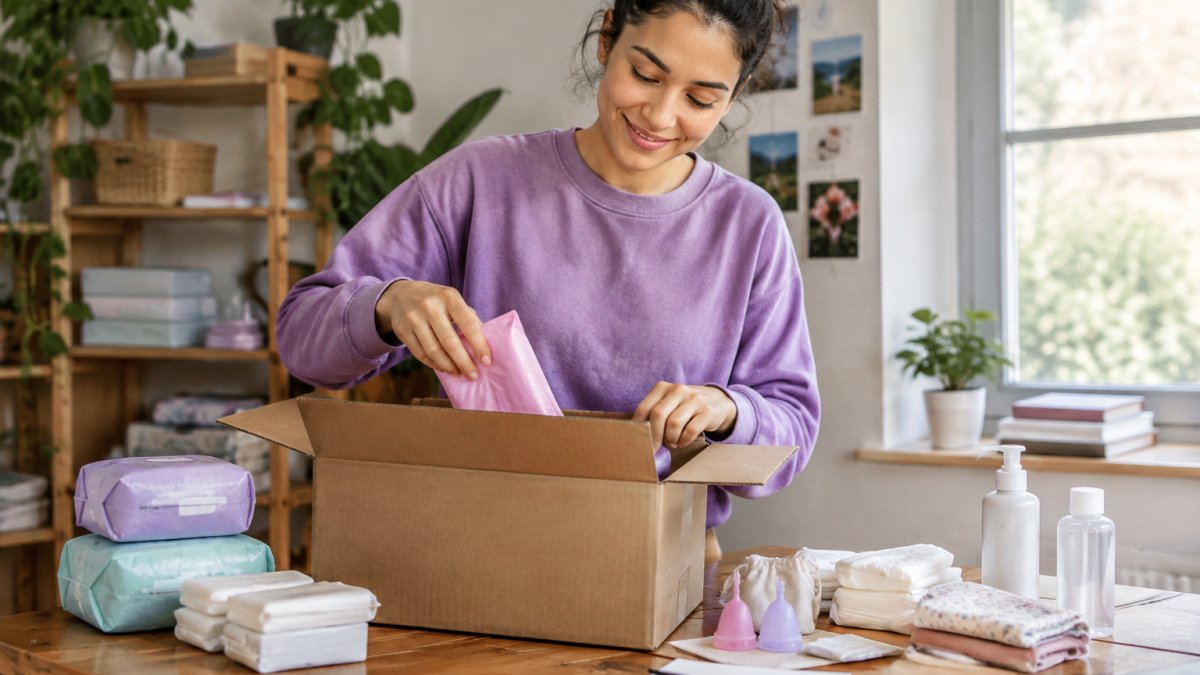
Last Updated: November 15, 2026
Quick Summary
To order wellness products discreetly, control three things: the parcel, the payment record, and your order history. Confirm the outer packaging is plain and unbranded, check the sender name on the label, ask what payment descriptor appears on your statement, and choose guest checkout or adjust account privacy settings before you pay.
- Ask any retailer what their packaging looks like before you order, including the sender name on the label.
- Guest checkout leaves less data behind than an account, but makes tracking and returns harder.
- Opting out of marketing consent usually does not stop transactional messages like order confirmations and shipping updates.
- A carrier pickup point or locker keeps the parcel away from your door in shared households.
- Check the return policy and return label branding before you buy, not after.
Table of Contents
- How to Order Wellness Products Discreetly Online
- What Discreet Ordering Actually Covers
- Discreet Packaging for Feminine Care Products: What to Look For
- How to Protect Personal Information When Shopping Online
- Online Order Privacy Settings to Adjust Before Checkout
- Billing Statements, Payment Descriptors, and Order History
- Delivery Scenarios: Shared Mailboxes, Households, and Pickup Points
- Returns, Exchanges, and Customer Support Without Losing Privacy
- Your Pre-Checkout Privacy Checklist
- Frequently Asked Questions
How to Order Wellness Products Discreetly Online
Ordering wellness products discreetly means controlling three things: what the parcel looks like, what your payment record says, and who can see your order history. This guide walks you through how to order wellness products discreetly, from first click to returns.
We’ll show you what to check before you buy, what a discreet parcel actually looks like, and the settings most shoppers never touch. Most guides focus only on the box, the box is the easy part.
What Discreet Ordering Actually Covers
Discreet ordering means buying sensitive personal care items while limiting who can see what you bought, where it went, and how you paid. It covers packaging, delivery, payment records, account data, and returns.
- The parcel: what the outer box says and shows
- The record: what appears on your card statement and order history
- The account: what data the retailer stores about you
Discreet Packaging for Feminine Care Products: What to Look For
Discreet packaging for feminine care products generally means a plain outer box with no product names or suggestive icons, and a shipping label that doesn’t reveal the contents.
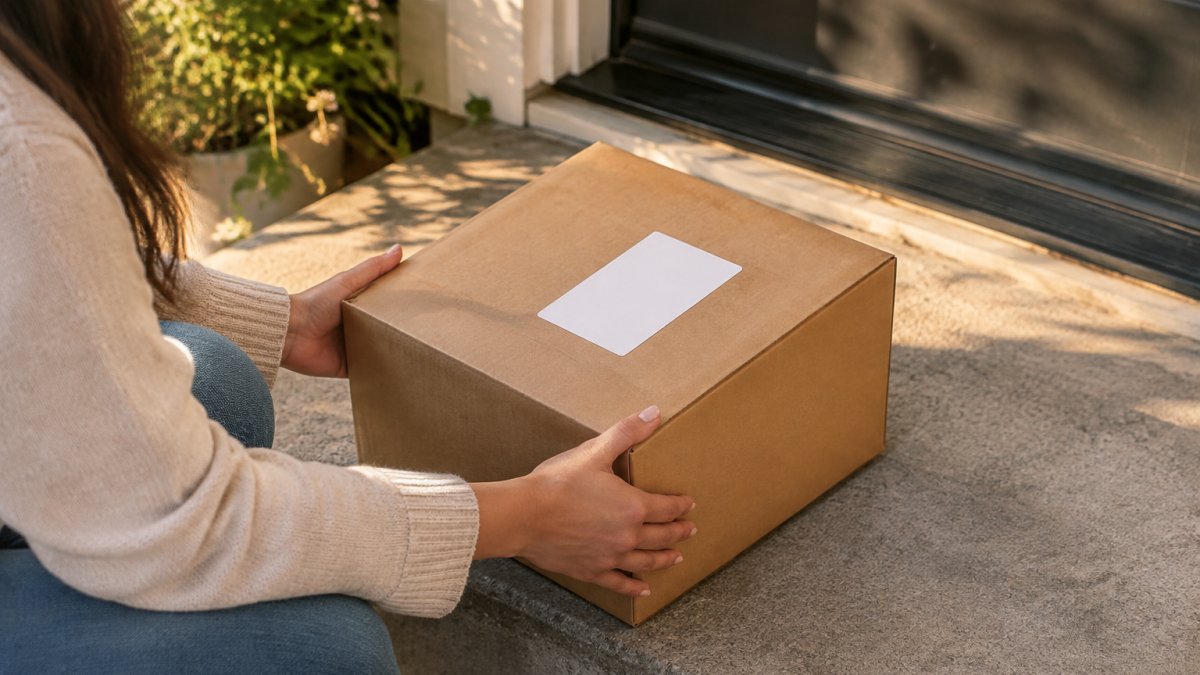
- A plain outer box or padded mailer, no glossy finish
- No brand logo, no product category, no suggestive imagery
- A generic sender name, not the store’s full trading name
The sender name is what most guides miss. A plain brown box still announces itself if the label reads something obvious. Check the sender name before you order, not after.
If you want to see how a retailer built around private, at-home health screening handles this, the at-home STI test kit with discreet personal health screening shows what a privacy-first product listing looks like.
Reading a Shipping Label Before You Buy
A shipping label carries three things a curious housemate can read in seconds: the sender name, the return address, and sometimes a contents description. Find out what will appear there before you order.
Most retailers publish this in their shipping or FAQ pages. If you can’t find it, ask customer support directly. A good retailer answers without hesitation; one that dodges is telling you something.
Watch out: some carriers add their own service labels that describe the package type. If that matters to you, ask which carrier the store uses and check whether their labels reveal anything.
How to Protect Personal Information When Shopping Online
Protecting your personal information when shopping online comes down to four habits: use guest checkout where possible, give only the details required to ship, pay with a method whose statement you control, and check the store’s privacy policy before you enter anything sensitive.
- Shop on a secure connection and check the site address carefully (the FTC)
- Use a unique, strong password if you do create an account (Protect Your Personal Information From Hackers and Scammers)
- Turn off marketing consent if you don’t want promotional mail
If you want a deeper walkthrough of securing your data while ordering, our guide on whether your personal data is secure online covers the practical checks in more detail.
Online Order Privacy Settings to Adjust Before Checkout
Online order privacy settings are the account and checkout options that control what a retailer stores, sends, and shares about you. Adjust them before you pay, once an order ships, some choices are locked in. Once those settings are in place, checking whether a wellness brand such as JordanWellnessCo clearly explains its privacy practices can help you decide what information to share before ordering.
- Marketing consent: the checkbox or pre-ticked box that opts you into email, SMS, and sometimes postal mail. Opting out stops promotional messages, but it usually does not stop transactional messages like order confirmations and shipping updates. Those are tied to the order, not to marketing.
- Data sharing with partners: a toggle or checkbox, often buried in account settings rather than at checkout, that lets the retailer share your information with advertising or analytics partners. Look for language about “partners,” “third parties,” or “business affiliates.”
- Order history visibility: some accounts let you archive or hide past orders from the main dashboard. This hides them from someone glancing at your screen, it does not delete them from the retailer’s records.
Guest Checkout Versus Creating an Account
Guest checkout is better when privacy matters more than convenience; it leaves less data behind. An account is better if you order regularly and want tracking in one place.
Here’s the trade-off in plain terms:
| Option | Data Stored | Best For | Watch Out For |
|---|---|---|---|
| Guest checkout | Minimal, order only | One-off or sensitive orders | Harder to track or return |
| Account | Profile, history, payment | Repeat shoppers | More data to manage |
| Account with saved card | Full profile plus payment | Frequent buyers | Card stored on file |
How to Read the Data-Handling Sections of a Privacy Policy
- Data sharing: look for who the retailer shares information with, payment processors, shipping carriers, marketing platforms, analytics providers, and whether sharing is opt-in or opt-out.
- Retention: look for how long order records are kept. Retailers commonly keep transaction records for tax and accounting purposes for several years, and account deletion often does not remove those records.
- Your rights: look for how to request a copy of your data or ask for deletion, and what the retailer says it will and won’t delete.
For a deeper walkthrough, our guide on whether your personal data is secure online covers the practical checks, and our article on whether your health data is private online explains how health-related data is handled.
Billing Statements, Payment Descriptors, and Order History
The payment descriptor is the name that appears on your card or bank statement, and it’s the layer shoppers often forget.
Most retailers list their billing descriptor in their terms or FAQ. If it isn’t there, ask. You’re entitled to know what will appear on your statement.
Order history is the other half. If you create an account, that history sits on the retailer’s servers.
Delivery Scenarios: Shared Mailboxes, Households, and Pickup Points
Delivery is where discretion gets practical. Shared mailboxes, busy households, and pickup points each create a different risk with its own workaround. Choose the option that matches your living situation, not just the fastest one.
Shared Households and Family
If you live with family, roommates, or a partner who shouldn’t see the parcel, home delivery is the riskiest option. The workarounds, in rough order of reliability:
- Carrier pickup point or locker: the parcel goes to a staffed location or an automated locker instead of your door. You collect it with an ID or a pickup code. The label still carries your name, but no one at home sees the box.
- Hold for pickup: many carriers let you request that a parcel be held at a local facility rather than delivered. This is usually set with the carrier after you have a tracking number, not at checkout.
- Delivery instructions: you can often add a note asking the carrier to leave the parcel somewhere specific or not to leave it at all. Instructions are requests, not guarantees, and some carriers limit what they’ll accept.
Shared Mailboxes and Apartment Buildings
A shared mailbox or a lobby mailroom means anyone with access can read a label. A plain box helps, but the sender name and return address are still visible.
- Ask the retailer which carrier they use, then check whether that carrier offers a pickup option near you.
- In buildings with a front desk or concierge, ask whether parcels are logged by name and whether staff can hold them for you.
- If your building has a package room, find out who has access and whether parcels are photographed or logged.
Signature Requirements
Some orders require a signature on delivery, a trade-off in both directions. It prevents a parcel being left unattended, but someone has to be there, and a neighbor or family member may end up signing. Ask the retailer whether it can be waived or whether the carrier offers an alternative.
Tracking Notifications and Shared Screens
SMS alerts can pop up on a shared screen or family phone plan. Switch to email if that’s a risk, and check whether the carrier sends its own separate alerts, those are set with the carrier, not the store. Some carriers let you turn off notifications entirely and check tracking manually.
When Someone Else Receives the Parcel
Misdelivery happens. If a neighbor or family member receives your parcel:
- Contact the carrier first to report the misdelivery and ask what options exist.
If a shared household is your main concern, a product built for private at-home use, like the at-home self-insemination kit designed for discreet use, is worth a look. It’s designed to be used privately, without a clinic visit.
Returns, Exchanges, and Customer Support Without Losing Privacy
Returns and support are the last place privacy can slip. A return label can reveal the store name, and a support email can sit in a shared inbox. Plan for both before you need them.
- Check the return policy before you buy, including who pays return shipping
- Use a personal email address, not a shared family one
If you contact a store about a sensitive order, ask them not to include product details in follow-up emails.
Your Pre-Checkout Privacy Checklist
Run this checklist before you pay, it takes two minutes and covers every layer above.
- Confirm the outer packaging is plain and unbranded
- Check the sender name that will appear on the label
- Ask what payment descriptor shows on your statement
When you’re ready to shop, you can browse the wellness products collection and apply the same checklist to whatever you choose.
Ordering sensitive personal care shouldn’t feel like a gamble. The fix is a short checklist and a retailer that answers your questions plainly. EVE offers menstrual care products and a menstrual and ovulation tracking app built for people navigating periods, postpartum needs, incontinence, and post-surgical personal care.
Frequently Asked Questions
Can a shipping label reveal what is inside a package?
A shipping label typically shows the sender name, your address, and tracking details, not the item list. Some retailers include a generic sender name or abbreviation instead of the brand name, which keeps the parcel unmarked. Before ordering, check the retailer’s shipping policy or contact customer support to ask what appears on the label. If the sender name is the brand itself, the parcel may still be identifiable to someone who recognizes it.
How can I keep order notifications private?
Use an email address you check privately and turn off push notifications from shopping apps on shared devices. When you order wellness products, uncheck any box that opts you into marketing emails or SMS texts, since those messages often name the product category. If you share a phone or tablet, log out of retail apps after each session. For order tracking, choose text or email alerts sent to a private address rather than a shared household inbox, and delete confirmation emails once your order arrives.
What should I check about a package before ordering intimate care products?
Look for three things in the shipping policy: whether the outer box is plain or branded, what sender name appears on the label, and whether the package lists product contents. A discreet packaging policy should state that items ship in unmarked boxes with no suggestive icons or logos. Also confirm the billing descriptor, since some retailers use a parent company name on statements. If the policy is vague, ask customer support directly before you place the order.
How can I check a retailer’s privacy practices before placing an order?
Read the privacy policy for how the retailer collects, stores, and shares your data, and check whether it sells information to third parties. Look for a clear statement on payment security and whether guest checkout is offered. The privacy policy should also explain how to request deletion of your account and order history. If the language is hard to follow or the policy is missing, treat that as a warning sign. A retailer that explains its practices plainly is easier to trust with sensitive purchases.






