
Last Updated: November 19, 2026
Quick Summary
The best fragrance-free feminine wash cleans the external vulvar skin gently without disrupting the vulva’s natural balance, and fragrance is a common cause of burning, itching, and rash on sensitive skin. Choose a fragrance-free, dye-free, soap-free formula buffered to an acidic pH, and use it externally only.
- The vulva is external skin that needs gentle cleansing; the vagina is internal and self-cleaning.
- Unscented is not fragrance-free, since unscented products may contain a masking fragrance.
- The vulva sits at an acidic pH of roughly 3.5 to 4.5, while bar soap sits near 9 or 10.
- Patch test a new wash on your inner arm for a few days if your skin is highly reactive.
- Stop all scented products and use plain warm water for a week if you suspect irritation.
Table of Contents
- Why Fragrance-Free Matters for Your Vulva and Vagina
- Quick Comparison: Best Fragrance-Free Feminine Washes
- Best Feminine Wash Recommended by Gynecologist
- Best Fragrance-Free Feminine Wash for Odor and Discharge
- Best Feminine Wash for pH Balance
- Feminine Wash Ingredients to Avoid
- How to Choose the Right Fragrance-Free Wash for Your Body
- When to See a Doctor Instead of Switching Washes
- Frequently Asked Questions
Why Fragrance-Free Matters for Your Vulva and Vagina
The best fragrance free feminine wash cleans the external vulvar skin without disrupting the delicate balance of the vulva and vagina. A scented wash can leave some people with burning, itching, or a stubborn rash, and fragrance is a common culprit.

The vulva is covered in thin, sensitive skin that reacts to synthetic fragrance, dyes, and harsh surfactants far faster than the skin on your arms or legs.
That is why a fragrance-free formula matters. It cleans what needs cleaning and leaves the microbiome alone.
The Difference Between Cleaning the Vulva and the Vagina
The vulva is the external genital area: the outer lips, the inner lips, and the opening. It needs gentle external cleansing, and a pH balanced wash is the right tool.
The vagina is the internal canal. It is self-cleaning and does not need soap, douching, or scented products inside it. Ever.
Treating both the same way is a common mistake. Washing inside the vagina with any cleanser disturbs the chemistry that keeps yeast infections and bacterial vaginosis in check.
Quick Comparison: Best Fragrance-Free Feminine Washes
Here is a side-by-side look at the washes covered in this guide, so you can scan the options before reading more.
| Product | Size | Price | Best For |
|---|---|---|---|
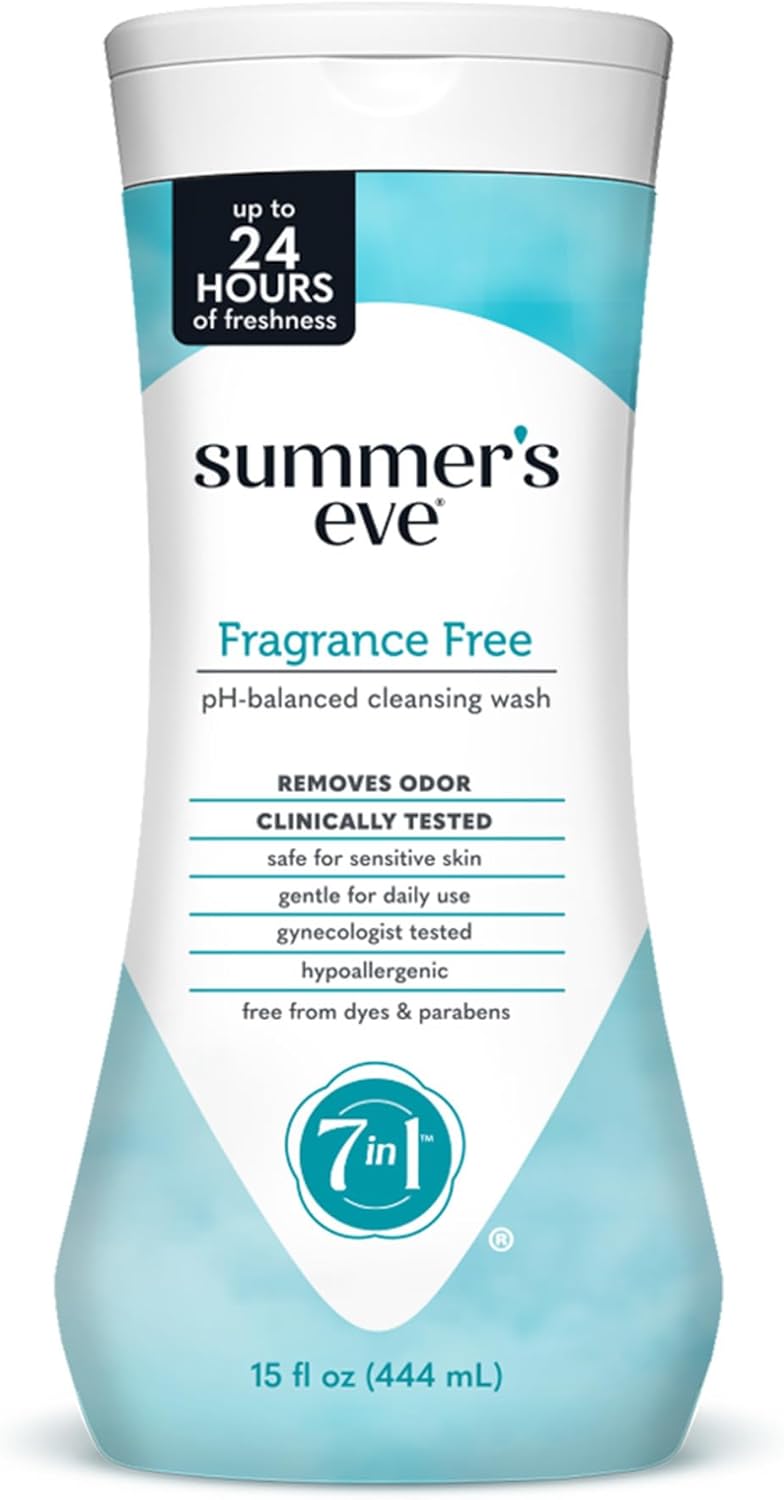
| Summer’s Eve Fragrance Free All-Over Wash | 15 fl oz | $4.98 | Budget-friendly daily cleansing |
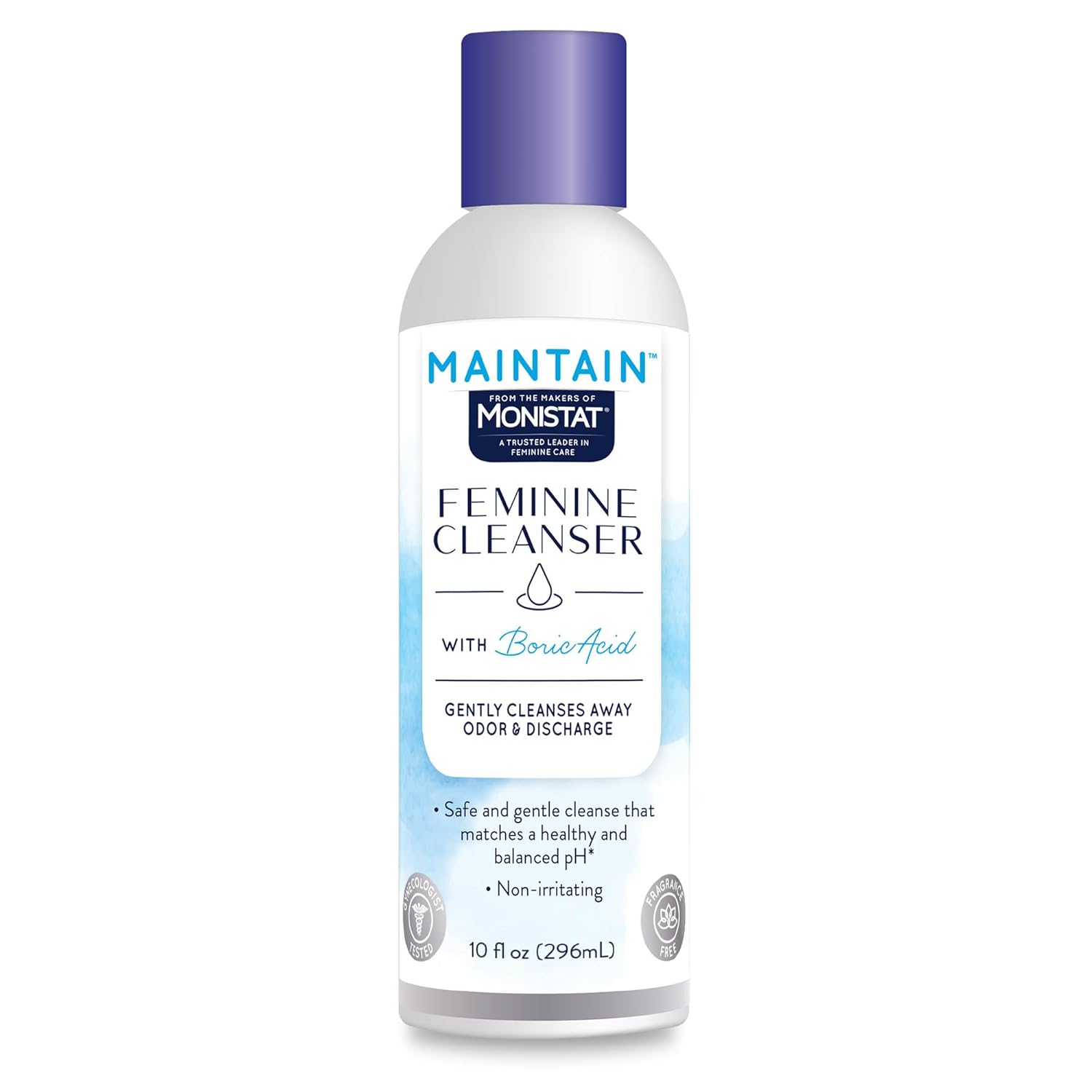
| Monistat Boric Acid Feminine Wash | 10 fl oz | $5.53 | Gentle pH-balanced formula |
| Vagisil Unscented Feminine Wash | 12 oz | $5.67 | Gynecologist-tested basics |
| Femfresh Sensitive Intimate Wash | 250 ml | $12.00 | Soap-free, microbiome-balanced care |
| Summer’s Eve Cleansing Wash | 15 fl oz | $14.99 | Everyday hypoallergenic use |
| Kindra Soothe Feminine Wash | Standard | $17.00 | Dryness and irritation-prone skin |
| Dove Intimate Wash | 8 oz | $18.53 | Hydrating sensitive-skin care |
| Love Wellness pH Balancing Cleanser (5 fl oz) | 5 fl oz | $14.83 | Aloe-based gentle cleansing |
| Love Wellness pH Balancing Cleanser (10 fl oz) | 10 fl oz | $24.99 | Long-term daily use |
Price
If you want a wider roundup of sensitive-skin options, our guide to the best hypoallergenic feminine care products covers more of the category.
Best Feminine Wash Recommended by Gynecologist
The 15 fl oz bottle is priced at $14.99.
What works: The listing describes it as fragrance-free and gynecologist tested.
“Gynecologist tested” means a gynecologist assessed the formula, not that it suits every body. Patch test first if your skin is highly reactive.
Best for: readers who want a recognizable, gynecologist-tested fragrance-free wash for everyday external cleansing.
Skip if: you prefer a soap-free formula, in which case the Femfresh Sensitive wash below is a better fit.
Best Fragrance-Free Feminine Wash for Odor and Discharge
The Summer’s Eve Fragrance Free All-Over Feminine Wash is priced at $4.98 for 15 fl oz.
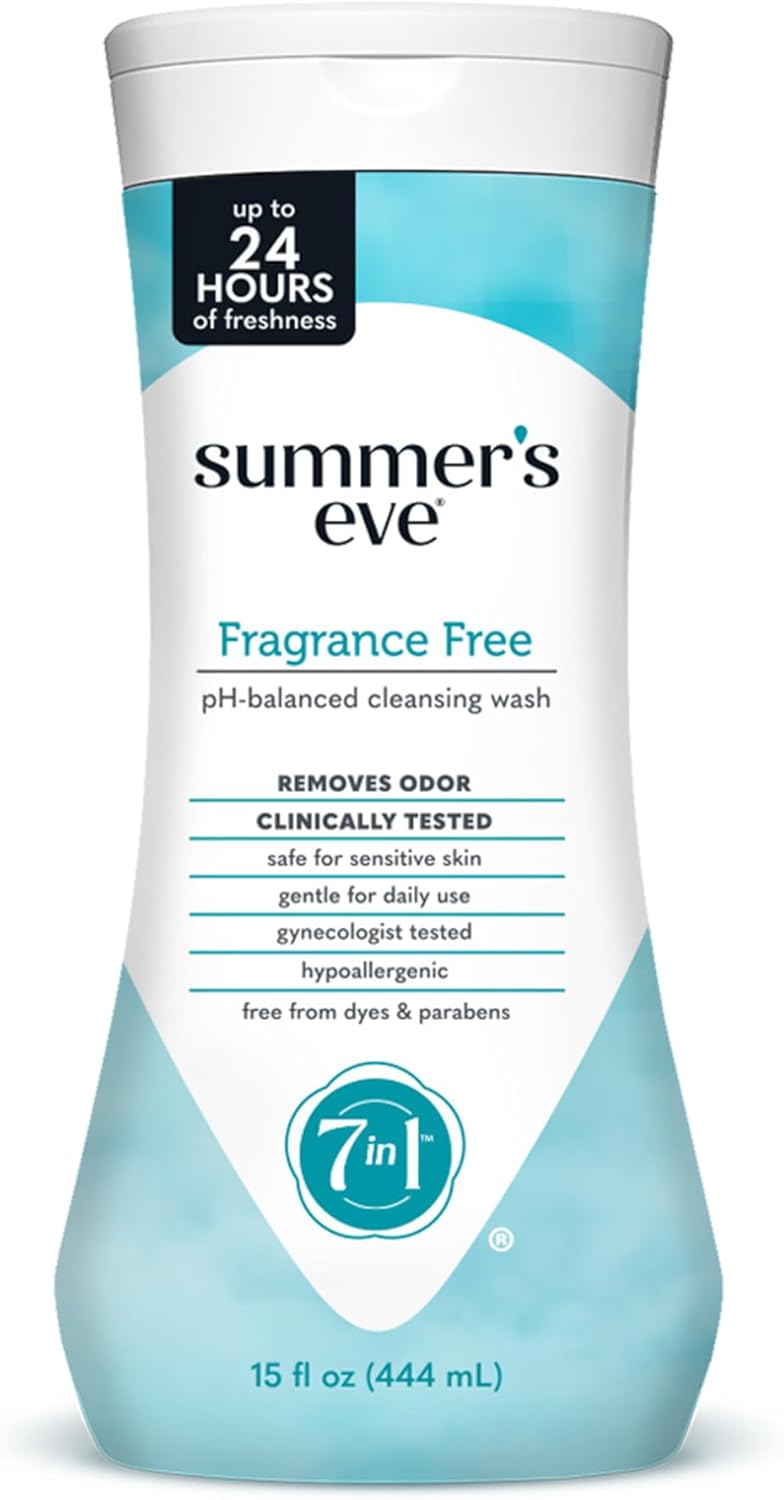
Discharge is normal and shifts through your cycle. A wash is designed for external cleansing and does not affect discharge itself.
Pair it with a fragrance-free liner on heavier discharge days. Our Nivve ultrathin hypoallergenic cotton liners are breathable and unscented, which keeps the whole routine free of potential irritants.
What to know: It targets odor, not discharge itself. If discharge changes color, smell, or texture suddenly, that is a doctor conversation, not a wash problem.
Best for: budget-conscious shoppers managing everyday odor and discharge.
Skip if: you have very dry or reactive vulvar skin and want a creamier, hydrating formula.
Best Feminine Wash for pH Balance
The Love Wellness pH Balancing Cleanser, 10 fl oz is described as fragrance-free, pH matched, and made with aloe vera and calendula for sensitive skin.
The listing describes the formula as non-irritating.
What works: The listing describes a pH-matched, fragrance-free formula with aloe vera and calendula, in a 10 fl oz size priced at $24.99.
“pH matched” describes the product’s own pH, not a guarantee your body will respond identically. Give any new wash a week before judging.
Skip if: you want the lowest-cost option and do not need botanical ingredients.
Feminine Wash Ingredients to Avoid
Most roundups list scary-sounding words and move on, which does not help when you are holding two bottles in an aisle. Understanding why an ingredient irritates vulvar skin lets you judge any formula.
Fragrance and “parfum”
Fragrance is the most common cause of allergic contact dermatitis on the vulva, and the hardest to avoid because it hides behind “fragrance” or “parfum.” One entry can stand in for dozens of undeclared compounds, including sensitizers like limonene, linalool, and cinnamal. Vulvar skin is thin, warm, and occluded by clothing most of the day, which increases absorption and trapping, so a scented wash that feels fine on your arm can burn on the vulva. “Unscented” is not “fragrance-free”: unscented products may contain a masking fragrance. Look for the words “fragrance-free” specifically.
Sulfate surfactants (SLS and SLES)
Surfactants make a wash lather and lift oil and debris, but they do not distinguish between oil you want removed and the lipids in your skin barrier. Sodium lauryl sulfate (SLS) is small and highly effective, penetrating the barrier and stripping ceramides and cholesterol, leaving skin tight, dry, and more reactive over time. Sodium laureth sulfate (SLES) is milder but still a sulfate. Soap-free, sulfate-free formulas swap in gentler surfactants such as coco-glucoside, decyl glucoside, or cocamidopropyl betaine, larger molecules that clean without the same disruption.
True soap and high-pH cleansers
The vulva sits at an acidic pH, roughly 3.5 to 4.5, which helps keep unwanted organisms in check. Traditional bar soap and many body washes sit closer to pH 9 or 10, and washing with them temporarily raises surface pH; repeated use can leave skin dry and irritated. That is why “soap-free” and “pH balanced” appear on intimate washes. A product’s pH is a property of the product itself, so “pH balanced” tells you the formula was buffered, not that your body will respond identically.
Dyes and colorants
FD&C dyes and other colorants are added purely for appearance. On mucosal and vulvar skin they serve no cleansing purpose and are a recognized irritant for reactive skin. A clear or naturally colored formula is one less variable to react to.
Parabens and preservative trade-offs
Parabens (methylparaben, propylparaben, and others) are effective preservatives that many shoppers choose to avoid. The honest trade-off: any water-based product needs some preservative system, or it becomes a breeding ground for bacteria and mold. Fragrance-free, paraben-free formulas usually substitute phenoxyethanol, sodium benzoate, or potassium sorbate. None is automatically gentler for every person. Because even a well-chosen preservative can irritate reactive skin, keeping the rest of your routine simple with sheshedbeauty4U can help you focus on gentle cleansing.
What a genuinely gentle label looks like
A formula built for sensitive vulvar skin is usually fragrance-free, dye-free, soap-free, and buffered to an acidic pH, and often skips sulfates and parabens too. Fewer ingredients is easier to troubleshoot. For more on reading labels, see our guide on how to verify clean beauty ingredients.
Watch out: “natural” and “clean” are marketing terms, not regulated safety claims, and some botanical essential oils (peppermint, tea tree, citrus) are among the most irritating ingredients for vulvar skin, plant-derived does not mean gentler.
How to Choose the Right Fragrance-Free Wash for Your Body
Start with your skin, not the marketing.
- Reactive or eczema-prone skin: choose a fragrance-free, soap-free wash and patch test on your inner arm first. Our guide to feminine care for eczema-prone vulvar skin goes deeper.
- Dryness or irritation: look for soothing ingredients like aloe and calendula, and avoid anything that leaves skin tight.
- Everyday odor: a gentle pH balanced wash used externally is enough; you do not need a stronger product.
- Postpartum, post-surgical, or incontinence care: prioritize unscented, non-irritating formulas and change liners often.
Whatever you choose, use it externally only, rinse well, and skip anything that stings. A wash should feel like nothing after you dry off.
When to See a Doctor Instead of Switching Washes
A wash can change how the external skin feels and smells. It cannot treat an infection, and it should never be asked to. “Odor” and “irritation” can come from either a hygiene issue or a treatable condition, and the two need different responses.
Odor that is a hygiene issue vs. odor that is a signal
Every vulva has a mild, musky scent, and that is normal. Odor from sweat, dead skin cells, and normal bacteria often improves within a few days of gentle, fragrance-free external cleansing and breathable, unscented liners. Odor that does not improve, or that is strong, fishy, or suddenly different, points elsewhere. Bacterial vaginosis (BV) commonly produces a thin discharge with a fishy odor that may be more noticeable after sex; it comes from an imbalance in vaginal bacteria, not poor hygiene (the CDC).
Itching and burning: irritation vs. infection
Irritation from a product tends to be burning, stinging, or itchy right where it touched, often within hours to a day, and usually calms when you stop the product. A yeast infection tends to bring intense itch, redness, and thick, white, cottage-cheese-like discharge, and it does not resolve just because you switched washes. If symptoms started within a day or two of a new product, stopping it and returning to plain water is a reasonable first step. If symptoms persist past a few days, or keep returning after treatment, talk to a clinician.
Symptoms that mean stop guessing and get seen
See a healthcare professional if you notice any of the following:
- Persistent itching, burning, or pain that a gentle wash does not improve within a few days
- Discharge that changes color, becomes thick, or smells strongly or fishy
- Symptoms of a yeast infection or bacterial vaginosis, such as unusual discharge, irritation, or a fishy odor
- Sores, lumps, blisters, or skin changes on the vulva
- Symptoms that keep returning after treatment, or that come with fever or pelvic pain
- Bleeding between periods or after sex that is new for you
Why “just try another wash” can backfire
Repeatedly switching products on irritated skin makes the trigger harder to identify and can prolong a reaction.
Over-the-counter yeast treatments are not a substitute for a diagnosis, and using them for the wrong condition can delay proper care. If you are unsure whether it is yeast, BV, or irritation, let a clinician sort it out.
Switching to a fragrance-free feminine wash is a smart move for sensitive skin. But recurring or changing symptoms point to something a cleanser cannot address, and a clinician can tell the difference.
Frequently Asked Questions
What is the best unscented feminine wash?
The best unscented feminine wash depends on your skin and needs, but look for one that is fragrance-free, pH-balanced, and free of dyes and parabens. Options like Summer’s Eve Fragrance Free Cleansing Wash and Love Wellness pH Balancing Cleanser are listed as fragrance-free, with the Summer’s Eve wash listed as gynecologist tested and the Love Wellness cleanser described as OB/GYN-developed. Avoid any wash with synthetic fragrance, even if it claims to be gentle, because fragrance is a common irritant for the vulva.
Do gynecologists recommend feminine wash?
Many gynecologists say the vulva usually needs only warm water and a mild, fragrance-free cleanser. If you choose to use a feminine wash, pick one that is fragrance-free, pH-balanced, and gynecologist-tested. Washes are for external use only and should never be used inside the vagina. If you have recurring irritation, odor, or discharge, talk to your doctor before trying a new product.
Can fragrance-free feminine wash help with odor?
A fragrance-free wash can help with odor by gently cleansing the vulva and removing bacteria that cause odor, without adding irritating fragrance. Products like Summer’s Eve Fragrance Free All-Over Feminine Wash are designed to remove vaginal odor while staying pH-balanced. However, persistent odor can be a sign of an infection like bacterial vaginosis, so see a doctor if it does not improve.
What ingredients should I avoid in feminine wash?
Avoid synthetic fragrance, dyes, parabens, sulfates, and harsh surfactants, as these can irritate sensitive skin and disrupt the vulva’s natural pH. Also skip washes with added






