

Table of Contents
- What to Expect in the First Days After Vaginal Birth
- Managing Postpartum Bleeding After Vaginal Birth
- Perineal Care After Birth: Healing Your Perineum
- Addressing Hemorrhoids After Childbirth
- Rest, Movement, and Gradual Activity
- Nutrition, Hydration, and Healing
- Recognizing Postpartum Warning Signs
- Frequently Asked Questions
Last Updated: October 12, 2026
What to Expect in the First Days After Vaginal Birth
The first few days after vaginal birth bring significant physical change, and body care after vaginal birth requires rest and intentional healing. Knowing what’s normal, and roughly when to expect it, helps you feel confident instead of anxious.
Here’s what the first days commonly look like. Every body heals on its own schedule, treat this as a map, not a strict schedule.
The first 24 hours
- Bleeding (lochia): Heavy and bright red. You may soak a maternity pad every 1-2 hours. This is expected.
- Afterpains: Cramping as your uterus contracts back toward its pre-pregnancy size. They often intensify while breastfeeding, because nursing releases oxytocin, which drives contractions.
- Perineal soreness: Stretching, tears, or an episiotomy can leave the area tender, swollen, and sometimes stitched.
- Urination: The first trip to the bathroom can feel intimidating. Many people feel a burning sensation or have trouble starting. Pouring warm water from a peri bottle while you urinate can help.
- Fatigue and chills: Hormone shifts, blood loss, and sheer exertion often cause shivering, sweats, and deep tiredness.
Days 2 and 3
- Bleeding stays heavy but usually starts to ease slightly.
- Breast fullness begins. Your milk typically “comes in” around day 2-5, and breasts may feel engorged, warm, and tender.
- Perineal swelling and soreness often peak around days 3-5, then gradually improve.
- Bowel movements may be delayed. Fear of pain and constipation are common; staying hydrated and eating fiber helps.
Days 4 through 7
- Bleeding shifts from bright red toward pink or brown and becomes lighter.
- You may pass a few small clots, especially when standing up after resting.
- Stitches (if you had them) begin to dissolve, most absorbable stitches break down over about 2-3 weeks.
- Energy fluctuates. Good days followed by exhausted days are normal.
What’s normal versus what needs a call
A simple rule: bleeding that is steadily lighter each day is reassuring. Bleeding that suddenly gets heavier, soaks more than one pad per hour for several hours, or comes with clots larger than a golf ball is a reason to call your healthcare provider right away, as are a fever at or above 100.4°F (38°C), foul-smelling discharge, severe abdominal pain, or feeling faint.

Keep a small notebook or a phone note tracking your bleeding pattern, pad changes, and any pain. Patterns are easier to spot when they’re written down, and you’ll have clear information ready if you need to call your provider.
At EVE LLC, we understand that postpartum recovery involves both physical healing and emotional adjustment. Most women need help during this first week, accepting that help is part of the care plan, not a sign of weakness.
Managing Postpartum Bleeding After Vaginal Birth
Postpartum bleeding after vaginal birth, called lochia, is much heavier than a typical period and can last several weeks.
Bleeding typically lightens after the first week but may continue 4-6 weeks total.
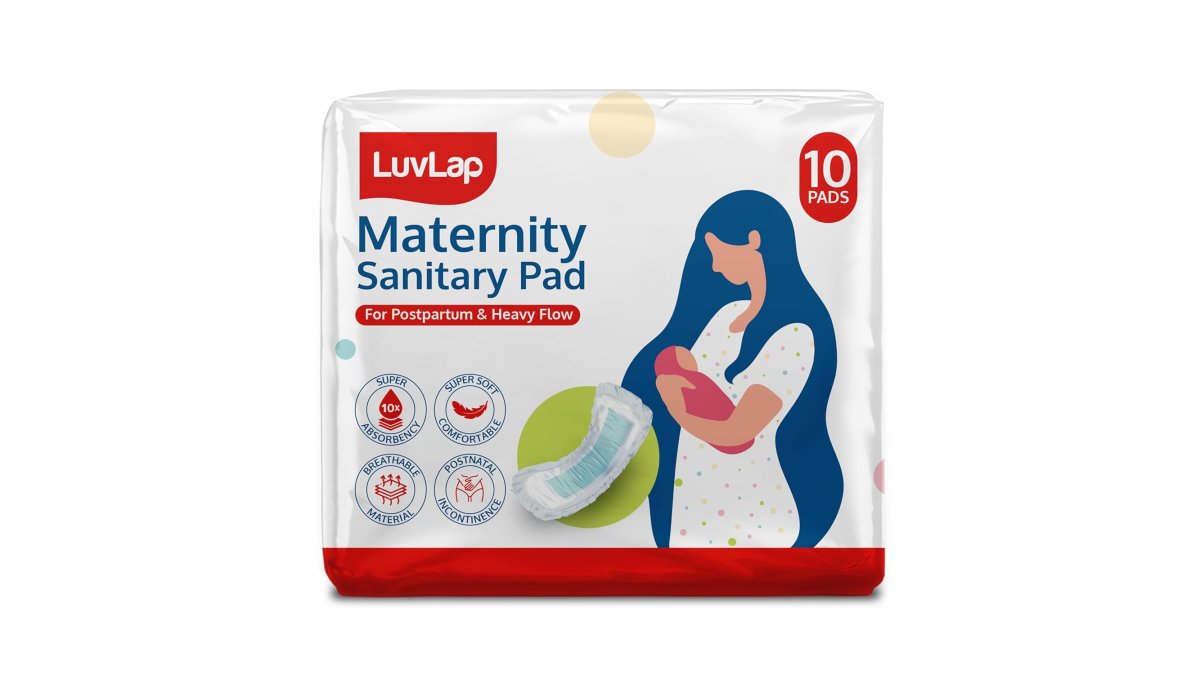
Many women find that the LuvLap Extra Absorbent Maternity Pad provides reliable protection during the heaviest days.
Track your bleeding to spot any changes:
- Days 1-3: Bright red, very heavy, possible clots
- Days 4-10: Gradually lighter, may shift to pink or brown
- Weeks 2-6: Light to minimal, may be brown or yellow-tinged
When to contact your healthcare provider about bleeding:
- Soaking through more than one pad per hour for several hours
- Passing clots larger than a golf ball
- Bleeding that suddenly gets heavier after improving
- Foul-smelling discharge (sign of infection)
- Dizziness or shortness of breath with heavy bleeding
Keep extra pads within arm’s reach and change them frequently to reduce infection risk. Wash your hands before and after each change.
Perineal Care After Birth: Healing Your Perineum
Your perineum, the area between your vagina and rectum, stretches significantly during vaginal birth, making proper body care after vaginal birth essential for healing. Whether you had stitches from a tear or episiotomy, or none at all, it needs gentle, intentional care to heal. Perineal soreness is one of the most common postpartum complaints, but careful hygiene and soothing techniques can ease discomfort.
Cleaning and Hygiene
Keep your perineum clean to prevent infection. Wash with warm water after using the toilet, then pat dry gently with a clean cloth, never rub.
Change pads every 2-3 hours during heavy bleeding, each change is a chance to check for signs of infection.
Avoid douches, scented products, or anything harsh, healing tissue is especially vulnerable to irritation.
Soothing Discomfort and Stitches
Perineal pain peaks around days 3-5 but gradually improves over 2-3 weeks.
Warm sitz baths feel soothing after the first week.
Over-the-counter pain relief like ibuprofen or acetaminophen can help, take as directed and discuss with your healthcare provider, especially if breastfeeding.
Wear loose, breathable clothing. Tight pants or synthetic fabrics trap moisture and slow healing.
The disposable underwear options at Eve llc, like Frida Mom Postpartum Underwear or Cotton Disposable Underwear, offer seamless comfort and easy changes during heavy bleeding.


Avoid tampons, douches, and sexual activity until your provider clears you, typically around 6 weeks postpartum.
Addressing Hemorrhoids After Childbirth
Hemorrhoids are common after vaginal birth. Straining during labor, plus increased blood volume and hormonal changes, can cause swollen rectal veins.
LuvLap Extra Absorbent Maternity Pad, Pack of 10 Pads, 0-2 Weeks Post-Birth →
They cause itching, pain, or pressure, and you may notice blood on toilet paper or in the stool.
Prevention and relief go hand in hand:
- Drink plenty of water to soften stool and reduce straining
- Eat fiber-rich foods like fruits, vegetables, and whole grains
- Use the toilet when you feel the urge, don’t delay
- Avoid straining or sitting on the toilet for long periods
- Apply cold compresses or witch hazel to reduce swelling
- Take warm sitz baths to soothe discomfort
- Use over-the-counter hemorrhoid cream if needed (discuss with your healthcare provider first)
Constipation is common after birth and worsens hemorrhoids.
Contact your healthcare provider if bleeding is heavy, pain is severe, or hemorrhoids don’t improve after two weeks.
Rest, Movement, and Gradual Activity
Your body needs rest to heal after vaginal birth, this isn’t the time to rush back to normal activity. But “rest” doesn’t mean lying still for six weeks: gentle, staged movement supports healing, prevents blood clots, and helps your pelvic floor recover. Think of each stage below as a gate: move to the next when you feel ready, not on a fixed date.
Stage 1: Weeks 1-2, Rest and gentle motion
- Prioritize rest. Sleep when you can, and let others handle cooking, cleaning, and care for older children.
- Walk short distances around your home. These brief walks help circulation and reduce stiffness.
- Avoid stairs when possible, and don’t lift anything heavier than your baby.
- Expect bleeding to increase temporarily if you overdo it, that’s your body’s signal to slow down.
Stage 2: Weeks 2-4, Gradual increase
- Extend your walks a little at a time. A common pattern is adding a few minutes every few days rather than jumping ahead.
- Light stretching is usually fine if it feels comfortable.
- Continue avoiding heavy lifting, prolonged standing, and anything that causes pain or heavier bleeding.
- This is a good window to ask your healthcare provider about a pelvic floor assessment, especially if you had tearing or stitches.
Stage 3: Weeks 4-6, Preparing for return
- Pelvic floor exercises (Kegels) can typically begin once you’re comfortable, often around week 4-6. These strengthen the muscles that support your bladder, bowel, and uterus.
- A simple Kegel: squeeze the muscles you’d use to stop urination mid-flow, hold for a few seconds, then relax. Aim for a few sets per day, but stop if you feel pain.
- If you’re unsure whether you’re engaging the right muscles, a pelvic floor physical therapist can check your technique. Many people, especially those with significant tearing, leaking, or a feeling of heaviness, benefit from a referral.
Stage 4: Around 6 weeks and beyond, Return to exercise
- Most women are cleared for normal activity, including exercise, around 6 weeks postpartum. Wait for your healthcare provider’s go-ahead.
- Return gradually, even if you exercised regularly before pregnancy. Start with low-impact activity like walking or swimming, then build up.
- Avoid high-impact exercise and heavy lifting until you’re cleared.
Warning signs to stop and call
Stop activity and contact your healthcare provider if you notice:
- Bleeding that gets heavier or turns bright red again after it had lightened
- Pain in your pelvis, back, or perineum that worsens with activity
- A feeling of heaviness, bulging, or pressure in the vagina
- Leaking urine when you cough, sneeze, or lift
Pelvic floor symptoms like leaking, heaviness, or pain during sex are common but not something you have to live with. They’re treatable, and pelvic floor physical therapy is a well-established option. Ask your provider for a referral rather than waiting it out.
Rest is not the opposite of movement, they work together. Short, gentle activity early on, a staged build-up, and a pelvic floor check around week 4-6 give your body the best chance to heal well and return to the activities you love.
Nutrition, Hydration, and Healing
What you eat and drink directly affects your postpartum recovery.
Drink water constantly, at least 8-10 glasses daily, more if breastfeeding.
Eat nutritious foods regularly. Extra protein repairs tissue, include lean meats, eggs, legumes, and dairy.
Many women benefit from a postnatal vitamin. The Mama Natural Organic Postnatal Vitamins include iron, iodine, and moringa, nutrients important for postpartum recovery and breastfeeding support.
Iron matters especially if you lost significant blood.
Calcium supports bone health and milk production. Include dairy products, leafy greens, or fortified plant-based alternatives.
Constipation is common postpartum.
Avoid caffeine and alcohol while breastfeeding. Both pass into breast milk and can affect your baby.
Recognizing Postpartum Warning Signs
Most postpartum recovery is straightforward, but some symptoms need immediate medical attention. Contact your healthcare provider immediately if you experience:
- Fever above 100.4°F (38°C)
- Foul-smelling vaginal discharge or lochia
- Severe abdominal pain or cramping
- Excessive bleeding (soaking through more than one pad per hour for several hours)
- Chills or flu-like symptoms
- Redness, warmth, or hardness in your breasts
- Difficulty urinating or painful urination
- Inability to control bowel movements or urine
- Severe mood changes, thoughts of harming yourself or your baby
- Chest pain or difficulty breathing
- Leg swelling, warmth, or pain (sign of blood clot)
Postpartum depression and anxiety are real medical conditions, not weakness or failure. If you feel persistently sad, anxious, or unable to bond with your baby beyond the first two weeks, talk to your healthcare provider. Treatment is available and effective.
Your postpartum recovery matters. The weeks after vaginal birth are a critical healing window. Eve llc’s curated postpartum care products, from maternity pads to postnatal vitamins, support your comfort and recovery.
Frequently Asked Questions
How long does postpartum bleeding last after a vaginal birth?
Postpartum bleeding, called lochia, typically lasts 4 to 6 weeks after vaginal birth. Flow is heaviest in the first 1 to 2 weeks, often requiring frequent pad changes. The bleeding gradually decreases over time, transitioning from bright red to pink or brown. If you soak through more than one pad per hour for several hours, or if bleeding increases after it has slowed, contact your healthcare provider.
What is the best way to care for perineal soreness or stitches after birth?
Keep the area clean by rinsing with warm water after urination or bowel movements, then gently pat dry. Sitz baths (sitting in warm water for 10 to 20 minutes) several times daily help reduce pain and promote healing. Apply ice packs for the first 24 to 48 hours if swelling is significant. Avoid douching or using scented products. Pain relief options include over-the-counter medications, though consult your healthcare provider before using any medication, especially if breastfeeding.
When should you contact a healthcare provider about postpartum warning signs?
Seek immediate medical attention if you experience fever above 100.4°F, severe abdominal or perineal pain, heavy vaginal bleeding that soaks through a pad in less than an hour, foul-smelling discharge, difficulty urinating or bowel movements, signs of infection around stitches, or severe mood changes. These symptoms may indicate complications like infection or postpartum depression and require professional evaluation.
How long should you rest after a vaginal birth?
Most healthcare providers recommend taking it easy for at least 2 to 3 weeks after vaginal birth, with gradual return to light activity. Avoid heavy lifting, strenuous exercise, and sexual activity for 4 to 6 weeks. Rest supports your body’s healing process and helps prevent complications. Listen to your body, and increase activity only as you feel stronger. Your healthcare provider can give personalized guidance based on your individual recovery.





