
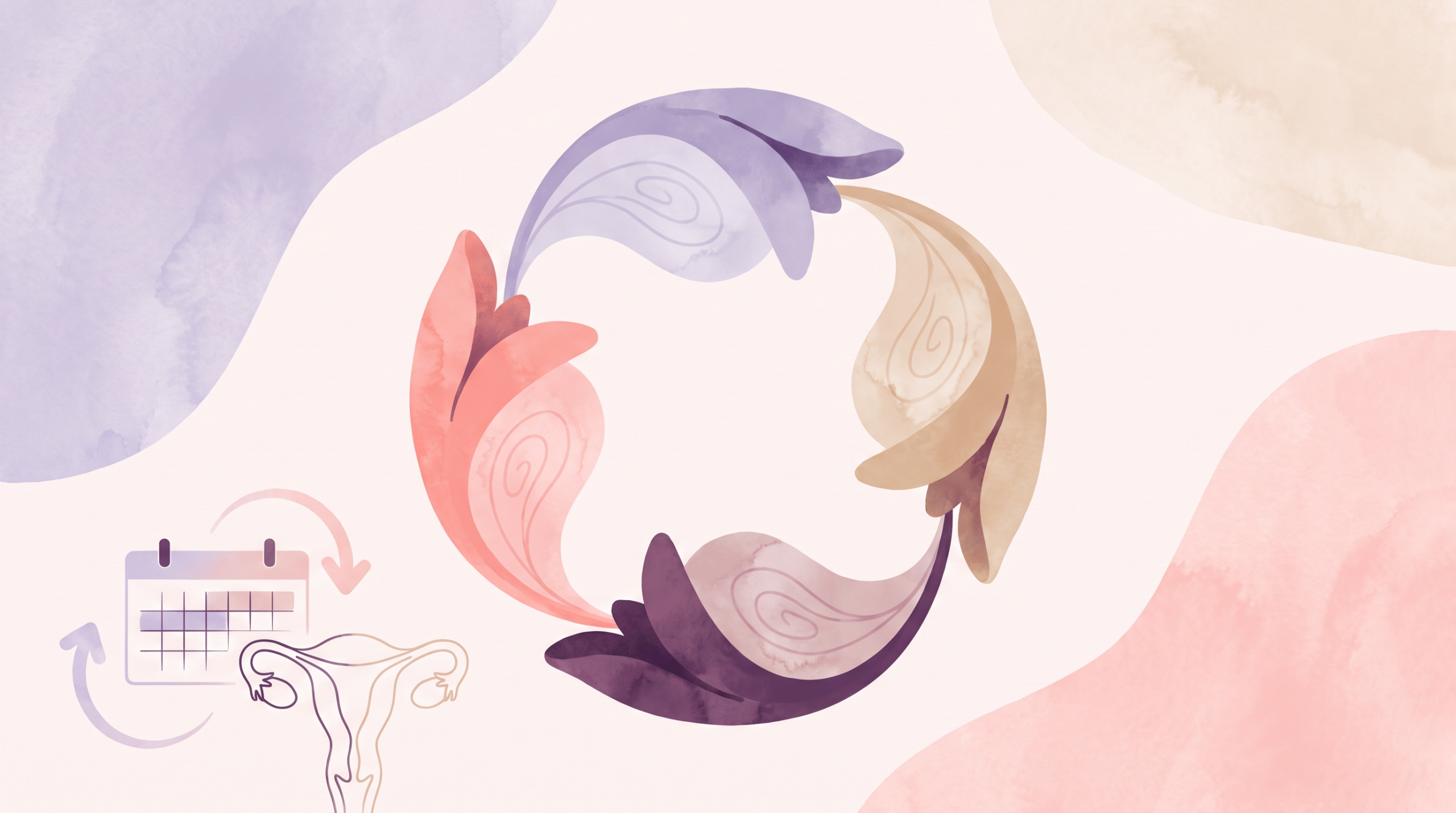
Featured image: Editorial illustration using a stock photograph; not an image of an identified patient.

It is easy to think of a menstrual cycle as just the days of bleeding. In fact, the cycle is counted from the first day of one period to the first day of the next. The timing can vary, and tracking dates and symptoms can help you notice your own pattern over time.
\nWhat to track
\n\nRecord the first and last day of bleeding, how heavy it feels, cramps, headaches, mood or energy changes, and anything that interferes with school, work, sleep or daily plans. You do not need a perfect record. A few cycles of notes can give you and a health professional a clearer starting point.
\n\nCycle-tracking apps can organize observations, but they cannot diagnose a condition or guarantee the timing of ovulation. Use them as a journal, not a substitute for medical care or contraception advice. The U.S. Office on Women’s Health explains the cycle and common changes.
\n\nWhen to ask for help
\n\nConsider talking with a clinician if your bleeding or pain changes sharply, symptoms repeatedly disrupt daily life, or you are worried. Your experience matters, even if someone has previously dismissed it. EVE supports clear, shame-free conversations about menstrual health and access to care.
\n\nGeneral education only; it is not a diagnosis or personal medical advice.
\nExplore EVE LLC
Visit EVE LLC for women’s health resources, products, and services, or get the EVE LLC app for iPhone.
Photo by kaouther bez on Unsplash





