

Last Updated: October 23, 2026
Quick Summary
C-section recovery at home means managing your incision, controlling pain, preventing infection, and gradually returning to normal activities over six to eight weeks. The first two weeks focus on rest and wound care, weeks three through six involve gentle movement, and weeks seven and eight bring strength building and routine return.
- Keep your incision clean and dry, and shower after 24 to 48 hours with warm water and mild soap.
- Rest is your medicine during weeks one and two; avoid lifting anything heavier than your baby and limit stairs.
- Weeks three through six bring gradual movement like short walks and light stretching, but avoid sit-ups and strenuous exercise.
- Drink half your body weight in ounces of water daily and eat protein, fiber, and iron-rich foods to support healing.
- Contact your doctor immediately if you notice redness, pus, fever above 100.4°F, heavy bleeding, or signs of blood clots.
Table of Contents
- Understanding Your C-Section Recovery at Home
- C-Section Incision Care: Daily Hygiene and Wound Management
- C-Section Recovery Timeline: What to Expect Week by Week
- Pain Management and Supporting Your Incision
- What to Avoid After a C-Section: Activity and Lifestyle Limits
- C-Section Recovery Warning Signs: When to Seek Medical Care
- Nutrition, Hydration, and Healing Support at Home
- Mental Health and Emotional Recovery
- Frequently Asked Questions
Understanding Your C-Section Recovery at Home
A cesarean section, or C-section, is major abdominal surgery. Your body needs time and care to heal properly. Recovery typically takes six to eight weeks, though full healing continues longer.
C-section recovery at home means managing your incision, controlling pain, preventing infection, and gradually returning to normal activities. The first two weeks focus on rest and basic wound care.
Understanding what’s normal helps you stay confident. Knowing warning signs keeps you safe.
Every body heals differently. Your recovery timeline may vary based on your health, the type of incision, and how well you follow activity limits. Always follow your doctor’s personalized guidance over general timelines.
C-Section Incision Care: Daily Hygiene and Wound Management
Your incision is the gateway to infection or healing. Keeping it clean and dry is your most important job during the first two weeks. The goal is to support the surgical wound while it seals and begins to form scar tissue.
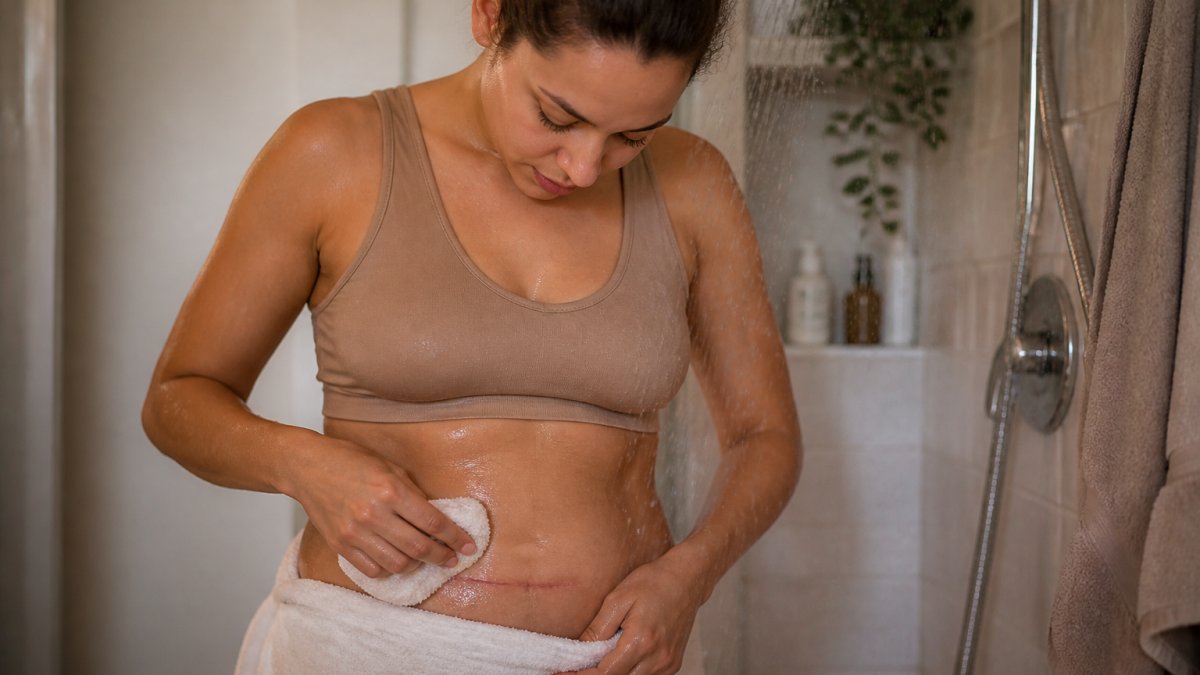
Keeping Your Incision Clean and Dry
Wash your hands before touching your incision. Use warm water and mild soap. Pat the area dry with a clean towel. Don’t rub.
Keep the incision exposed to air when possible. This helps it dry. Wear loose clothing that doesn’t press against the wound.
Change any bandages as directed by your doctor. If you have surgical tape, keep it clean and dry. Replace it if it gets wet or dirty.
When and How to Shower
Most doctors allow showering after 24 to 48 hours. Ask your doctor before your first shower.
Let water run over the incision gently. Don’t scrub it. Use mild soap. Rinse well. Pat dry with a clean towel.
Avoid baths, swimming, and soaking until your doctor clears you. Sitting in water can soften the incision and increase infection risk.
After showering, keep the area dry. Change into clean clothes.
If your incision starts to separate, oozes fluid, or smells bad, contact your doctor immediately. These are signs of infection or wound breakdown.
C-Section Recovery Timeline: What to Expect Week by Week
C-section recovery at home follows a general pattern. Your body heals fastest in the first six weeks. Full recovery takes longer, but most people feel much better by week eight.
Weeks 1-2: Initial Healing and Rest
Your body is in shock. You’ve just had major surgery. Rest is your medicine.
What’s happening: Your incision is sealed but fragile. Internal stitches are holding your uterus, muscles, and fascia together. Pain is normal. Bleeding is normal. Fatigue is normal.
What to do:
- Stay home. Limit visitors.
- Sleep when the baby sleeps. Naps are healing.
- Move slowly. Walk short distances around your home.
- Wear loose clothing. Use an abdominal support belt if your doctor recommends it. Products like the High Waist Body Shapewear provide gentle compression to support your healing incision and reduce pain.
- Keep your incision clean and dry.
- Take prescribed pain medication. Don’t tough it out.
Activity limits: No lifting anything heavier than your baby. No stairs if you can avoid them. No driving while on pain medication.
Weeks 3-6: Gradual Movement and Activity
Your incision is sealing. Pain is decreasing. You’re starting to feel human again.
What’s happening: The incision is forming scar tissue. Internal healing continues. You have more energy, but your body is still fragile.
What to do:
- Increase walking. Aim for short walks around your home, then outside.
- Light stretching feels good. Never pull on your incision.
- Start gentle abdominal breathing. Don’t do crunches or sit-ups yet.
- Gradually increase daily activities. Do a little more each day.
- Continue incision care. Keep it clean and dry.
- Support your body with nutrition and hydration.
Activity limits: Still no heavy lifting. No strenuous exercise. No sit-ups, crunches, or core work. No sex until your doctor clears you.
Weeks 7-8: Building Strength and Returning to Routine
You’re feeling much better. Pain is mild or gone. You’re ready to do more.
What’s happening: Your incision is mostly healed. Internal healing is progressing. You’re regaining strength.
What to do:
- Continue walking. Increase distance and pace.
- Start light strength exercises if your doctor approves.
- Return to normal daily activities as tolerated.
- If you’re cleared for sex, go slowly and stop if anything hurts.
- Schedule your postpartum checkup around six weeks.
Activity limits: Still avoid heavy lifting and intense exercise until your doctor clears you. Full recovery takes longer than eight weeks, but you’re on the right track.
The first two weeks are about rest and healing. Weeks three to six bring gradual movement. Weeks seven to eight bring strength building. Follow your body’s signals, not a rigid timeline.
Pain Management and Supporting Your Incision
Pain after C-section recovery is normal. It doesn’t mean something is wrong.
Take prescribed pain medication as directed. Over-the-counter options like acetaminophen or ibuprofen help too.
Ice packs reduce swelling and numb pain. Apply ice for 15 to 20 minutes at a time.
Heat feels good after the first week.
Abdominal support belts reduce strain on your incision.
Positioning matters. When sitting, support your incision with a pillow.
What to Avoid After a C-Section: Activity and Lifestyle Limits
C-section recovery at home means knowing what NOT to do. Your body is fragile. Pushing too hard sets you back.
Avoid these activities:
- Heavy lifting (anything heavier than your baby)
- Strenuous exercise or sports
- Sit-ups, crunches, and core exercises
- Swimming and soaking in water
- Driving while on pain medication
- Sex until your doctor clears you
- Stairs if possible (use them only when necessary)
- Straining during bowel movements
- Carrying laundry baskets or groceries
- Pushing or pulling heavy objects
Avoid these mistakes:
- Rushing your recovery. Rest is healing.
- Ignoring pain. Pain is your body’s signal.
- Skipping nutrition. Your body needs fuel to heal.
- Forgetting hydration. Water supports healing.
- Neglecting incision care. Clean and dry prevents infection.
Listen to your body. If something hurts, stop. If you feel dizzy or faint, sit down. If you’re bleeding heavily, call your doctor.
C-Section Recovery Warning Signs: When to Seek Medical Care
Most C-section recovery goes smoothly. But some warning signs mean you need medical attention. Know them. Trust your instincts.
Call your doctor if you notice:
- Redness, warmth, or increasing pain around the incision
- Pus or bad-smelling discharge from the incision
- Separation or opening of the incision
- Fever above 100.4°F (the CDC)
- Heavy bleeding (soaking through a pad in an hour)
- Bleeding that doesn’t slow down by week two
- Severe abdominal pain
- Chest pain or shortness of breath
- Leg pain, swelling, or warmth (signs of blood clots)
- Feeling faint or dizzy
- Signs of depression or anxiety
Seek emergency care if:
- You have chest pain or trouble breathing
- You have severe abdominal pain
- Your incision opens and won’t stop bleeding
- You have signs of sepsis (fever, chills, confusion, rapid heartbeat)
Your body knows when something is wrong. Don’t wait. Call your doctor.
Infection is rare but serious. Signs include increasing redness, warmth, pus, or fever. Blood clots are also rare but dangerous. Calf pain, swelling, or warmth can signal a clot. These need immediate medical attention.
Nutrition, Hydration, and Healing Support at Home
Your body needs fuel to heal. Nutrition and hydration are not optional.
Drink water constantly. Aim for half your body weight in ounces daily.
Eat protein. Your body is rebuilding tissue. Protein feeds that process.
Eat fiber. Constipation is common after C-section. Pain medication makes it worse.
Avoid constipation. Straining pulls on your incision. It hurts and risks complications.
Take postnatal vitamins. Your body lost blood and nutrients during surgery. Vitamins replenish them.
Support your healing:
- Eat regular meals. Don’t skip breakfast.
- Snack between meals. Keep healthy snacks nearby.
- Eat foods you enjoy. Healing is easier when food feels good.
- Ask for help with meals. Let others cook or bring food.
| Nutrient | Why It Matters | Food Sources |
|---|---|---|
| Protein | Rebuilds tissue and muscles | Chicken, fish, eggs, beans, yogurt |
| Iron | Replenishes blood lost during surgery | Red meat, spinach, beans, fortified grains |
| Vitamin C | Supports wound healing | Oranges, berries, peppers, broccoli |
| Fiber | Prevents constipation | Fruits, vegetables, whole grains, beans |
| Water | Supports all healing processes | Plain water, herbal tea, broth |
Mental Health and Emotional Recovery
Your body heals. Your emotions do too. Both matter.
Postpartum recovery includes emotional healing. You’ve been through major surgery.
What’s normal:
- Sadness or mood swings
- Anxiety about your baby or your recovery
- Feeling overwhelmed
- Missing your old life
- Struggling with your new identity
- Feeling touched out or touched hungry
What’s not normal and needs help:
- Persistent sadness or hopelessness
- Inability to bond with your baby
- Thoughts of harming yourself or your baby
- Severe anxiety that interferes with daily life
- Panic attacks
- Obsessive thoughts
Talk to your doctor or a mental health professional if you’re struggling.
Support your emotional health:
- Ask for help. Let others support you.
- Connect with other postpartum people. Shared experience helps.
- Take breaks. Step away when you need to.
- Be kind to yourself. You’re healing from major surgery.
- Talk about your feelings. Don’t bottle them up.
- Seek professional help if you need it.
Your emotional recovery is as important as your physical recovery. Both deserve care and attention.
C-section recovery at home is a journey. Your body is strong. It knows how to heal.
At Eve, we’re here to support your postpartum wellness with products designed for your healing body.
Frequently Asked Questions
How do I care for my C-section incision at home?
Keep your incision clean and dry by gently washing it with mild soap and warm water during showers, then patting it completely dry. Wear loose, breathable clothing that doesn’t rub against the incision. Avoid submerging the incision in baths or pools until your healthcare provider clears you, usually after the incision has fully closed. Change any dressings as directed, and watch for signs of infection like increasing redness, warmth, or discharge. Support your incision with loose clothing or an abdominal binder when moving around to reduce strain and discomfort.
What is the typical C-section recovery timeline?
Most women experience initial healing over the first two weeks, with significant improvements by week six. Full recovery typically takes six to eight weeks, though some women need longer. The first two weeks focus on rest and basic wound care. Weeks three through six involve gradually increasing movement and light activities. By weeks seven and eight, many women can return to most daily routines, though heavy lifting and strenuous exercise should wait for your healthcare provider’s clearance. Recovery varies based on your individual healing, any complications, and how much help you have at home.
What activities should I avoid after a C-section?
During the first six to eight weeks, avoid heavy lifting (more than 10 pounds), strenuous exercise, and high-impact activities like running or jumping. Don’t submerge your incision in water until it’s fully closed. Avoid driving while taking prescription pain medication or if you’re unable to brace your incision safely. Don’t return to work or demanding physical tasks until your healthcare provider approves it. Limit stair climbing in the early weeks, and avoid sexual activity until your provider gives clearance, typically around six weeks. Always follow your individual recovery plan, as some women may need longer restrictions.
What warning signs after a C-section need urgent medical attention?
Contact your healthcare provider immediately if you notice signs of infection like fever over 100.4°F, increasing redness or warmth at the incision, pus or foul-smelling discharge, or the incision reopening. Seek urgent care for severe pain not relieved by prescribed medication, heavy vaginal bleeding that soaks through a pad in an hour, signs of blood clots like calf swelling or chest pain, or difficulty breathing. Also report persistent nausea, vomiting, or inability to urinate. Don’t wait, your healthcare provider needs to evaluate any concerning symptoms quickly to prevent complications and support your recovery.






